How to Tell If a Used GPU Was Run in a Data Center

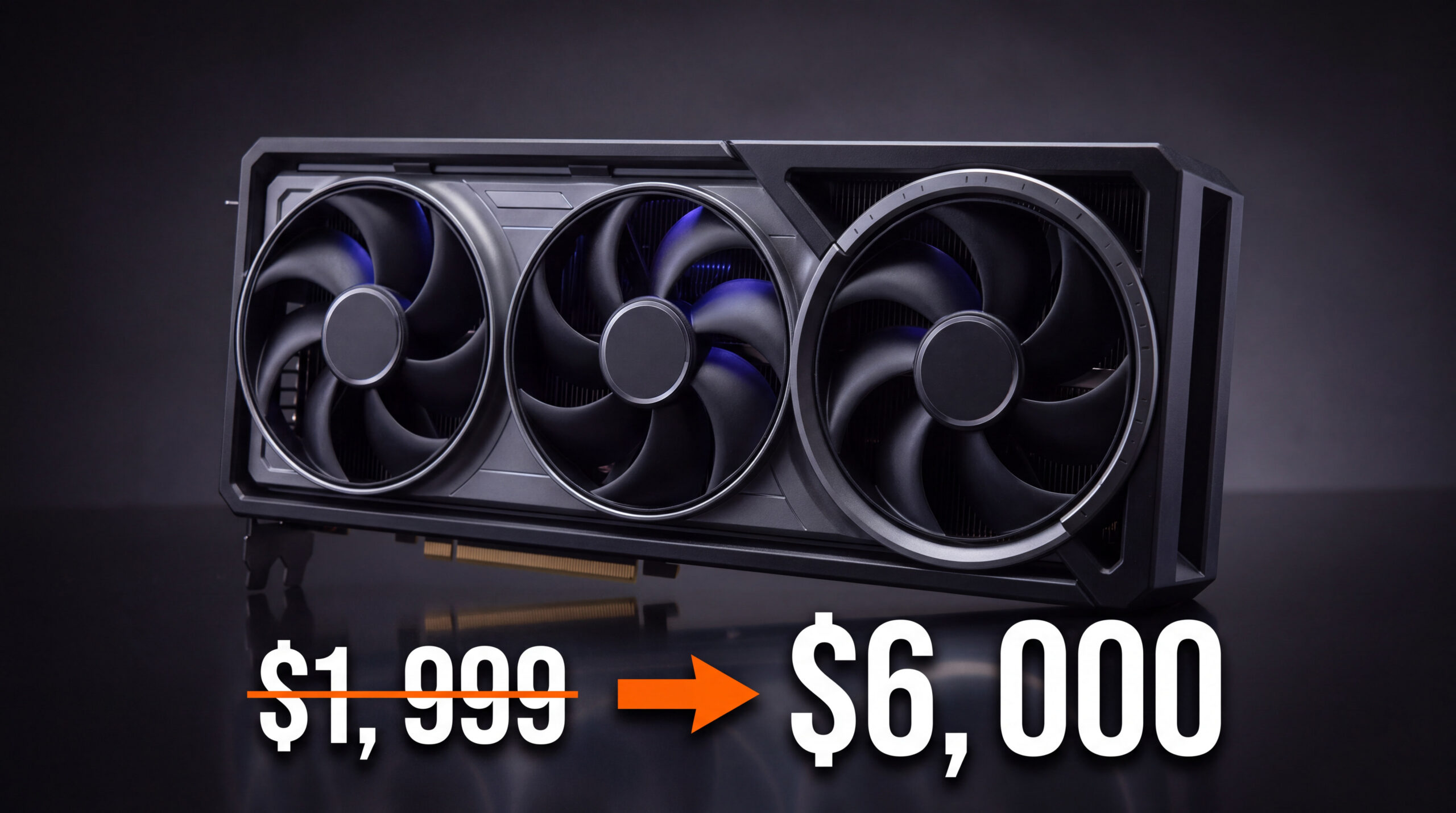
Used graphics card prices in 2026 have stopped behaving. Cards that should be quietly losing value are instead holding steady or climbing, and the reason has almost nothing to do with gaming. The AI boom turned graphics cards (GPUs) into industrial equipment, and industrial equipment eventually gets retired, wiped clean, and resold.

Which creates a problem for anyone shopping the used GPU market. That card listed at a suspiciously reasonable price might have spent two years in a home office, running design software on weekends. Or it might have spent two years bolted sideways into a server rack, working at nearly full capacity around the clock, in a room where the temperature never dropped below 85°F.

Those are not the same card. They cost the same on eBay.

Here’s how to tell them apart.

Is a used AI card worse than a used mining card?

Usually, yes — and that surprises people.

The crypto era taught buyers to fear cards that had been used for mining, and the fear was mostly misplaced. Mining is steady work. A card that ran at a fixed, moderate speed in a well-ventilated room often aged better than a gaming card that heated up and cooled down six times an evening. The tiny soldered connections inside a card hate repeated temperature swings more than they hate constant heat.

AI work is harder on cards in both directions. Training an AI model pushes a card to its limit for weeks without pause. Serving AI requests to users makes it swing hot and cold rapidly as traffic rises and falls. And the card’s onboard memory (VRAM) runs hot and stays hot, because AI models fill it completely rather than using a slice of it the way a game does.

Memory is the part that fails in ways a quick test won’t catch. You get instability under a heavy, sustained load — not a clean, obvious breakdown.

The card turns on. It passes a five-minute test. It crashes three hours into a big job.

How to check a used GPU in seven minutes

You don’t need lab equipment. You need about seven minutes and two free programs.

1. Check the power-on hours

A free utility called HWiNFO64 reports how many hours a card has been powered on across its whole life — its power-on hours. This is the single most useful number you can get.

A three-year-old card showing 4,000 hours had a normal life. The same card showing 18,000 hours ran almost continuously, which means commercial use, because no private owner racks up that kind of time. As a rough rule, anything past about 5,000 hours for each year of the card’s age deserves a hard look.

2. Check the internal software version

Every card carries a small piece of built-in software (its BIOS, or firmware) that controls how it behaves — how much power it draws, how fast the fans spin. A free program called GPU-Z will tell you which version is installed.

Compare it against the list on the manufacturer’s website. Server operators routinely install their own modified version to squeeze out more performance or run the fans differently. A version number that doesn’t appear anywhere on the manufacturer’s site is a strong sign the card lived somewhere with a full-time IT staff.

3. Check how hot the memory runs

Card memory wears down measurably over time. If a card sits at a normal temperature doing nothing but its memory temperature climbs past 210°F within minutes of real work, the soft heat-transfer pads inside have likely dried out — which happens after long stretches at high heat, not from weekend gaming.

What does a data center GPU look like physically?

Photographs tell you more than most sellers realize. Four things to look for in listing photos:

Dust patterns. A card that lived upright in a desktop tower collects dust unevenly, heavier on the intake side, with gravity pulling the pattern downward. A card that lived in a server rack was mounted flat and sideways, usually with air forced across it, and shows a thin, even dust layer running clearly from front to back.

Oily residue. Look along the edges of the back plate and around the seams of the plastic shroud for a faint amber or yellowish film. That’s oil leaching out of the soft heat-transfer pads (thermal pads) after long periods at high heat. It’s one of the most reliable visual signs of a hard life, and it’s nearly impossible to clean off completely.

Scratched brackets and chewed-up screws. Rack-mounted cards get installed, pulled, and reinstalled by technicians working fast. Rounded-off screw heads, scratched metal mounting brackets, and screws that don’t match each other all suggest hardware that’s moved between machines rather than sitting in one computer since it was new.

Mismatched fans. Data centers repair rather than replace. A fan that doesn’t match the others means the original one died — which means the card ran long enough to kill it.

Which used GPUs hold up best?

Not all hardware wears equally, and some of the results are counterintuitive.

Cards built for professional workstations generally age better than their gaming equivalents, even though they often work harder. Their memory quietly corrects its own errors (a feature called ECC), and their cooling is designed for continuous operation rather than short bursts.

Among gaming cards, models with oversized, heavily built cooling hold up noticeably better than basic reference designs. And the RTX 3090, oddly, tends to survive commercial use better than the newer RTX 4090 does — its memory runs at more conservative speeds, which puts less heat stress on the part most likely to fail.

How to test a used graphics card after you buy it

If you’ve already bought the card and want to know what you actually got, run this sequence rather than a standard benchmark:

  1. Test the memory specifically, using a tool built for that, not a general performance test. Memory faults are the failure you’re hunting for.
  2. Measure how much power it actually pulls during a fixed task and compare it to the published figure. Worn cards often draw 10 to 15 percent more electricity for the same output.
  3. Heat it up and cool it down fifty times. Rapid swings surface fatigue in the card’s internal connections that a steady load test will never reveal.
  4. Run a real job for two to three hours. Short tests are exactly what a marginal card passes.

Is it safe to buy a used GPU in 2026?

Yes — with your eyes open.

With new cards selling well above list price and next-generation supply being swallowed by AI demand, the used market is often the only sensible option, and plenty of retired server hardware is genuinely fine.

It means you should pay for what you’re actually getting. A card with 20,000 hours on it isn’t worthless. It’s worth meaningfully less than one with 3,000 hours, and a seller who won’t tell you which one it is has told you something anyway.


SellGPU grades every card that comes through us on exactly these criteria — power-on hours, internal software version, heat, and physical condition — before it’s resold. If you’re selling hardware and want a straight answer on what it’s actually worth, get a quote.

How to Package Your Trade In for Safe Shipping

You have completed your trade in and are ready to ship your device. The final step is making sure it arrives safely.

Even fully functional electronics can be damaged in transit when they are placed in an oversized box, packed with too little cushioning, or allowed to move around during shipping. Taking a few extra minutes to package your trade-in correctly protects your equipment and helps prevent delays with inspection and payment.

This guide covers general packaging best practices, along with specific instructions for GPUs, CPUs, SSDs, RAM, whole PCs, and gaming consoles.

Before You Start Packing

Before placing anything in a box, take a few simple precautions.

Back Up and Remove Your Personal Data

Back up any files you want to keep and remove personal information from the device whenever applicable. For whole PCs, SSDs, and consoles, follow the appropriate reset or data removal process before shipping.

Make sure you have removed any discs, memory cards, USB drives, or personal accessories that are not part of the trade in.

Take Photos

Take clear photos of the item before packaging it. It is also helpful to photograph the item inside the box before sealing it.

These photos create a record of the condition and show how the trade in was packaged before shipment.

Use the Right Size Box

Choose a sturdy cardboard box that gives you enough space for cushioning on every side without leaving excessive empty space.

A box that is too small may not provide enough protection. A box that is too large allows the item to move around and can increase the risk of damage.

Whenever possible, use a new or lightly used shipping box that is free from tears, soft spots, water damage, or crushed corners.

General Packaging Best Practices

These guidelines apply to nearly every type of trade in.

Prevent Movement

Your item should not slide, bounce, or shift when the box is moved. Use bubble wrap, foam, air pillows, or clean packing paper to fill empty spaces.

Before sealing the box, gently shake it. If you feel or hear movement, add more cushioning.

Protect Against Static Electricity

Computer components should be placed inside an anti static bag before being wrapped or boxed.

The original anti static packaging is ideal, but a properly sized replacement bag also works. Do not place exposed components directly against ordinary plastic, loose foam, fabric, or packing peanuts.

Protect Corners and Connectors

Corners, ports, circuit boards, pins, and connectors are especially vulnerable during shipping. Make sure these areas are covered and cannot press directly against the side of the box.

Do Not Rely on the Product Box Alone

Original product packaging can provide useful protection, but it is not always designed to be used as the exterior shipping box.

When possible, place the original product box inside a separate shipping box with cushioning around it. This also prevents shipping labels and tape from being placed directly on collectible or reusable packaging.

Seal the Box Securely

Use strong packing tape on every opening and seam. Avoid masking tape, duct tape, painter’s tape, or household adhesive tape.

Make sure the shipping label is flat, readable, and firmly attached. Remove or cover any old labels and barcodes before shipping.

How to Package a GPU

Graphics cards are heavy, delicate, and particularly vulnerable around the circuit board, fans, and connector.

  1. Place the GPU inside an anti static bag.
  2. Wrap the entire card in several layers of bubble wrap.
  3. Add extra protection around the corners and metal bracket.
  4. Place the wrapped GPU in a sturdy box with cushioning on every side.
  5. Fill all empty space so the card cannot move.

Never allow the exposed circuit board or PCIe connector to touch the box directly.

If you still have the original molded foam and product box, use them. Place the original box inside a separate shipping box for additional protection.

Avoid shipping a loose GPU inside a whole PC unless you have been specifically instructed to leave it installed. The weight of the GPU can place stress on the motherboard and PCIe slot during transit.

How to Package a CPU

CPUs require careful handling because their contact points or pins can be easily damaged.

The safest option is to place the CPU in its original plastic clamshell or another properly sized CPU holder.

If the CPU has pins, do not allow the pins to touch bubble wrap, tape, foam, or cardboard. Bent pins can affect the value or functionality of the processor.

Once the CPU is secured in a protective holder:

  1. Place it inside an anti static bag.
  2. Wrap it with bubble wrap.
  3. Put it in a small box.
  4. Place that box inside a larger shipping box with additional cushioning.

Do not ship a CPU loose inside an envelope or allow it to move freely inside a box.

How to Package an SSD

Place the SSD inside an anti static bag before adding any cushioning.

For a 2.5 inch SSD, wrap the drive in bubble wrap and place it inside a small sturdy box. Protect the SATA connectors from pressure or impact.

For an M.2 SSD, use the original plastic holder whenever possible. Because M.2 drives are thin and lightweight, they can easily bend or become lost inside loose packaging. Secure the drive in a rigid container before placing it inside the shipping box.

Do not tape directly onto the SSD, label, circuit board, or connectors.

How to Package RAM

RAM sticks should be packaged individually or secured inside a proper RAM tray.

  1. Place the RAM inside an anti static bag.
  2. Wrap each stick or secured set in bubble wrap.
  3. Protect the gold contacts and circuit board edges.
  4. Place the wrapped RAM inside a small rigid box.

Avoid placing loose RAM sticks together without protection. They may rub against each other or become damaged during movement.

RAM should not be mailed in a standard paper envelope, even when it is wrapped in bubble wrap. Use a box or rigid mailer that cannot be easily bent or crushed.

How to Package a Whole PC

Whole PCs require additional preparation because components can shift or break inside the case during transit.

Secure the Interior

Before shipping, inspect the inside of the computer.

Large graphics cards and heavy air coolers can place significant pressure on the motherboard while the package is being handled. Unless your trade in instructions say otherwise, consider removing the GPU and packaging it separately.

If the GPU remains installed, use proper internal packing material designed for computers to support it. Do not force ordinary packing materials against exposed fans or delicate components.

Make sure loose cables are secured and cannot move into a fan.

Protect the Exterior

If you have the original PC box and molded foam, use them. These materials are shaped specifically to support the case.

If the original packaging is unavailable:

  1. Wrap the computer case in a protective plastic bag.
  2. Add several layers of bubble wrap around the entire case.
  3. Pay special attention to glass panels, corners, and the front of the case.
  4. Place the computer in a sturdy box with thick cushioning on every side.
  5. Place that box inside a second shipping box when possible.

Tempered glass panels require especially careful packaging. A single impact against the corner or edge can cause the entire panel to break.

Package Accessories Separately

Do not place power cords, antennas, controllers, or other accessories loose against the PC case. Wrap them separately so they cannot scratch the computer or strike a glass panel.

How to Package a Gaming Console

Before packing a console, remove any game discs and disconnect all cables and accessories.

Wrap the console in several layers of bubble wrap and protect every side, corner, port, and vent. Make sure the power and video ports cannot strike the side of the box.

Controllers, power cords, stands, and other accessories should be wrapped separately. Do not place them directly against the console.

If you have the original console packaging, place the console into its molded inserts and original box. Then place that box inside a separate shipping box with additional cushioning.

Do not ship a console using only its retail box. Retail packaging may not provide enough protection for shipping and may attract unwanted attention by showing exactly what is inside.

Materials You Should Avoid

Some common household materials do not provide reliable protection for electronics.

Avoid using:

  • Thin paper envelopes
  • Grocery bags
  • Newspaper as the only cushioning
  • Towels, clothing, or blankets
  • Loose packing peanuts directly against computer components
  • Tape applied directly to the item
  • Damaged or previously crushed boxes
  • Boxes with large amounts of unfilled space

Improvised packaging may appear secure at first, but it can compress, shift, or tear while the package is in transit.

Final Shipping Checklist

Before sealing your package, confirm that:

  • Personal data has been backed up or removed
  • Discs, memory cards, and personal items have been removed
  • Computer components are inside anti static packaging
  • Fragile connectors, pins, and corners are protected
  • Accessories are wrapped separately
  • Empty space has been filled
  • Nothing moves when the box is gently shaken
  • The box is securely sealed with packing tape
  • Old shipping labels and barcodes have been removed or covered
  • The new shipping label is flat and readable

A Little Extra Packaging Goes a Long Way

Carriers handle thousands of packages every day, and your box may be stacked, dropped, tilted, or exposed to vibration along the way. Packaging your trade in carefully is the best way to help it arrive in the same condition it was in when it left your hands.

When in doubt, add more protection, prevent all movement, and use a second box for heavier or more valuable equipment. Proper packaging helps protect your trade in and keeps the inspection process moving smoothly.

Why Spend Your Own Money?

We offer shipping materials entirely free of charge. Don’t believe us? Check! You’ll be quoted the same price whether you ask for packaging materials or not! Let us take care of the packaging for you!

Optimizing Your Tech Trade-In: Tips to Get the Best Price

Trading in your used tech devices is an excellent way to offset the cost of upgrading to newer models. Whether you’re looking to trade in your smartphone, laptop, gaming console, or other electronic gadgets, following the right steps can significantly increase the trade-in value. Here are some essential tips to optimize your tech trade-in and ensure you get the best possible price.

1. Research Your Device’s Current Market Value

Before trading in, it’s crucial to know your device’s current market value. Use websites like eBay, Swappa, or SellGPU to check what similar models are fetching. Having this knowledge equips you to identify the most competitive trade-in offers and negotiate effectively.

2. Maintain Original Packaging and Accessories

If possible, trade in your tech in its original box along with all original accessories, such as chargers, cables, and manuals. Original packaging suggests careful ownership and can significantly enhance the perceived value of your device.

3. Verify the Condition Accurately

Be honest and thorough when assessing your device’s condition. Check for scratches, dents, screen damage, or functional issues. Misrepresenting the condition could result in reduced valuations upon inspection. Providing accurate information upfront helps avoid unexpected adjustments later.

4. Properly Prepare Your Device for Trade-In

Ensure your device is clean, fully functional, and reset to factory settings. For smartphones and tablets, disable any security locks like Find My iPhone or Android Device Protection. For PCs and consoles, perform a factory reset and thoroughly wipe your personal data. Proper preparation streamlines processing and enhances your trade-in value.

5. Trade-In Quickly

Tech prices fluctuate rapidly. Once you’ve received a favorable quote, act promptly. Most trade-in services guarantee quotes for a limited time, typically around two weeks. Delaying could mean losing out if market values drop.

6. Choose a Reliable Trade-In Partner

Select a reputable trade-in provider known for transparent and fair evaluations. Trusted platforms like SellGPU offer clear quotes, fast processing, secure data handling, and timely payouts, ensuring a seamless and trustworthy transaction.

7. Consider Bulk Trade-Ins

If you have multiple devices, trading them in bulk often yields better offers. Many services provide incentives for bulk trade-ins, offering higher valuations or bonuses when you submit several devices simultaneously.

8. Keep Your Receipts and Records

Maintain purchase receipts and warranty documents, especially for premium devices. Having proof of purchase can boost confidence in the item’s legitimacy, potentially increasing the valuation.

9. Explore Different Trade-In Channels

Don’t limit yourself to one channel. Consider various platforms and compare offers from retailers, online marketplaces, and direct buyers. Evaluating multiple quotes ensures you find the best possible deal.

10. Follow Up After Submission

After submitting your device, stay engaged with the trade-in company. Respond quickly if they reach out with questions or need additional information. Prompt responses can accelerate processing times and get your payout delivered swiftly.

Conclusion

Optimizing your tech trade-in doesn’t need to be complicated. By researching your device’s market value, accurately assessing its condition, maintaining original accessories, acting quickly, and choosing reliable platforms, you can significantly enhance your trade-in returns. Follow these practical tips to make your next tech trade-in experience smooth, efficient, and profitable.

Ready to get started? Make your next trade-in with SellGPU—fast, trusted, secure. Visit SellGPU.com today and maximize the value of your used tech!

5 Common Mistakes Made During Data Center Consolidation

Data center consolidation has become a strategic priority for organizations looking to reduce costs, streamline operations, and enhance IT agility. By merging multiple data centers or migrating workloads into fewer, more efficient facilities—often leveraging cloud technologies—companies can gain significant operational advantages. However, the process is complex, and mistakes can be costly.

To ensure a smooth transition, it’s critical to understand the pitfalls. Here are five common mistakes companies make during data center consolidation and how to avoid them.

1. Lack of a Clear Strategy and Roadmap

One of the most frequent missteps in data center consolidation is rushing into the process without a comprehensive plan. Companies often underestimate the complexity and fail to align the project with long-term business objectives.

What to Do Instead:

  • Develop a strategic roadmap that outlines scope, objectives, timeline, resource allocation, and risk assessment.
  • Align consolidation goals with broader IT and business strategies—whether it’s cost reduction, cloud migration, or improving energy efficiency.

2. Underestimating the Importance of Accurate Asset Inventory

A successful consolidation effort relies heavily on a complete and up-to-date inventory of hardware, software, applications, and dependencies. Many organizations skip this step or rely on outdated records, leading to oversights and disruptions.

What to Do Instead:

  • Conduct a full audit of IT assets and interdependencies.
  • Use automated discovery tools to map applications, data flows, and workloads to physical and virtual infrastructure.

3. Ignoring Application Dependencies

Not all applications can be easily moved or consolidated without considering their dependencies. Overlooking these relationships can result in application downtime, data loss, or security vulnerabilities.

What to Do Instead:

  • Identify critical application interdependencies before migration.
  • Run simulations and pilot tests to verify that all interconnected services will continue functioning as expected post-consolidation.

4. Inadequate Communication and Change Management

Consolidation projects impact multiple teams, from IT and security to operations and compliance. Poor communication can result in misunderstandings, delays, and resistance from key stakeholders.

What to Do Instead:

  • Establish a communication plan early in the process.
  • Keep stakeholders informed at every stage, from planning and migration to post-consolidation reviews.
  • Involve department leaders to champion change and ensure alignment across teams.

5. Failing to Plan for Downtime and Business Continuity

Even with the best planning, data center consolidation can involve temporary disruptions. Organizations that fail to anticipate and plan for downtime risk damaging their operations, reputation, and customer experience.

What to Do Instead:

  • Create a detailed business continuity and disaster recovery plan.
  • Schedule migration during off-peak hours and maintain backup systems.
  • Test failover and recovery mechanisms prior to full implementation.

Final Thoughts: A Proactive Approach Pays Off

Data center consolidation is a valuable opportunity to modernize infrastructure and improve operational efficiency—but only if executed with precision. Avoiding these five common mistakes helps ensure a smooth, secure, and cost-effective transition. By investing time in planning, stakeholder engagement, and rigorous testing, companies can reduce risk and maximize the long-term benefits of consolidation.


Looking to streamline your IT infrastructure? Partner with experienced professionals who understand the nuances of data center consolidation. From inventory analysis to secure hardware disposition, SellGPU offers trusted solutions that simplify complex transitions. Learn more about our ITAD services →

Navigating ITAD Regulations in 2025

Information Technology Asset Disposition (ITAD) regulations continue to evolve rapidly as technological innovation accelerates and concerns about data security and environmental sustainability become increasingly paramount. In 2025, businesses involved in IT asset management and disposal must remain informed and compliant with current regulations to avoid significant legal and financial risks. Here’s a comprehensive look at what you need to know about ITAD regulations in 2025.

Increased Emphasis on Data Privacy and Protection

The surge in cyber-attacks and data breaches has significantly heightened regulatory scrutiny around data privacy. Compliance with stringent data privacy regulations such as the General Data Protection Regulation (GDPR), Health Insurance Portability and Accountability Act (HIPAA), and California Privacy Rights Act (CPRA) remains crucial. In 2025, stricter enforcement of these regulations means heavier penalties for violations, with fines potentially reaching millions of dollars.

Organizations must implement robust secure data destruction processes, including thorough data sanitization methods and the physical destruction of data-bearing devices. Ensuring data is irrecoverable after disposal has become non-negotiable. Partnering with certified ITAD vendors adhering strictly to standards like the National Institute of Standards and Technology (NIST) Special Publication 800-88 for media sanitization is essential.

Additionally, businesses must maintain comprehensive documentation for all data destruction activities, demonstrating due diligence and readiness for regulatory audits.

Expanded Environmental Regulations

Environmental compliance in IT asset disposition has become more stringent in 2025. Regulations targeting electronic waste (e-waste), such as the updated Responsible Recycling (R2v3) standard and e-Stewards certifications, have become widespread and mandatory requirements for ITAD providers. These standards are designed to combat the increasing global e-waste problem by promoting sustainable recycling practices, minimizing landfill usage, and ensuring the environmentally sound management of electronic waste.

The environmental risks associated with improper disposal of IT assets, such as pollution and toxic contamination, have forced governments and regulatory bodies worldwide to intensify their oversight. Non-compliance can result in severe financial penalties, legal action, and considerable reputational damage. Businesses must rigorously verify their ITAD partners hold valid certifications, practice transparent recycling procedures, and maintain consistent documentation to validate compliance.

Global Harmonization and Local Compliance

In 2025, regulatory trends in IT asset disposal include a notable push toward global harmonization of ITAD standards, creating more uniform international practices. This harmonization effort aims to simplify regulatory compliance across borders and promote universally accepted disposal methods.

However, despite efforts toward global standards, significant local and regional variations persist. Regulations such as the European Union’s Waste Electrical and Electronic Equipment (WEEE) Directive, China’s Restriction of Hazardous Substances (RoHS), and numerous state-specific laws in the United States illustrate this complexity. Each jurisdiction may have unique requirements regarding reporting, documentation, data destruction, and recycling processes.

Organizations operating internationally must carefully balance these global standards with specific local compliance obligations. This necessitates rigorous ongoing research, due diligence, and regular updates to stay informed of changing regulations across all operational areas.

Blockchain and Digital Auditing Tools

Technological advancements have profoundly reshaped compliance strategies within IT asset disposal. In particular, blockchain technology has emerged as a powerful tool, offering transparent, tamper-proof, and secure record-keeping of asset disposal and recycling practices. Blockchain-based digital auditing systems provide unparalleled traceability, documenting every step of an asset’s lifecycle in real-time, significantly simplifying the compliance reporting and audit processes.

Adopting blockchain solutions allows businesses to enhance transparency, reduce administrative burdens, and simplify regulatory compliance efforts. Companies using blockchain can readily demonstrate compliance through immutable records, significantly reducing the risk of penalties and improving overall operational efficiency.

Increased Regulatory Enforcement and Audits

Regulatory bodies in 2025 have notably increased the frequency and rigor of audits focusing on IT asset disposition practices. These audits assess compliance with data security standards, environmental regulations, and proper documentation practices. Organizations must maintain meticulous records, including clear, comprehensive policies detailing their ITAD processes and practices.

To remain prepared for increased regulatory scrutiny, businesses should conduct regular internal audits, compliance checks, and training sessions. These measures ensure organizations identify and address potential non-compliance issues proactively, reducing the risk of severe penalties and associated costs.

Proactive Strategies for ITAD Compliance

Organizations can proactively navigate and manage ITAD regulations through several critical strategies:

  • Certified Partnerships: Establish partnerships exclusively with certified ITAD providers who meet recognized industry standards, ensuring compliance and accountability.
  • Comprehensive Policies: Develop and implement robust data security and environmental compliance policies aligned with current regulatory requirements.
  • Advanced Technology: Utilize cutting-edge technology, including blockchain-based tracking systems, to enhance transparency and streamline compliance processes.
  • Continuous Updates: Regularly review and update compliance protocols to align with evolving regulatory landscapes globally and locally.
  • Ongoing Education: Invest in ongoing education and training programs for staff involved in IT asset management to maintain awareness and readiness regarding compliance requirements.

Preparing for Future Regulatory Changes

Anticipating future regulatory developments is crucial for maintaining long-term compliance. Organizations should stay informed through industry forums, regulatory updates, and partnerships with regulatory experts. Active participation in industry groups can also provide valuable insights into emerging regulations and best practices.

Furthermore, fostering a culture of compliance and sustainability within the organization ensures proactive adherence to regulatory expectations, helping to future-proof operations against evolving compliance landscapes.

Final Thoughts

In 2025, maintaining compliance with ITAD regulations has become a critical operational priority for all organizations managing IT assets. By comprehensively understanding current regulations, adopting proactive compliance strategies, leveraging technological innovations, and preparing for future regulatory developments, businesses can effectively mitigate risks. Ultimately, these practices will enhance operational efficiency, safeguard against financial and legal penalties, and reinforce an organization’s commitment to data security and environmental sustainability.

Reflecting on 50 Years of Innovation

Microsoft, a technology titan, celebrates its 50th anniversary on April 4, 2025, marking half a century of unparalleled innovation and industry leadership. Founded in 1975 by Bill Gates and Paul Allen, Microsoft began its journey with a clear yet ambitious goal: putting “a computer on every desk and in every home.” Today, Microsoft’s vision has not only materialized but continues to expand, influencing nearly every aspect of modern technology and digital life.

Microsoft’s Early Years: Pioneering Personal Computing

Microsoft’s origins trace back to the mid-1970s with the development of software for the Altair 8800 microcomputer. The creation of Altair BASIC, a programming language interpreter, set the foundational stones for Microsoft’s early success. Gates famously called this initial code “the coolest code” he ever crafted, highlighting the significance of this moment in computing history.

The company’s real breakthrough came in 1981 with its partnership with IBM, leading to the widespread adoption of Microsoft DOS (MS-DOS). This event dramatically accelerated the personal computing revolution and positioned Microsoft as a central player in the burgeoning tech industry.

Transformative Innovations: Windows and Office Suite

The launch of Microsoft Windows in 1985 marked a significant leap forward. Windows provided an intuitive graphical user interface (GUI) that made computers accessible to everyday users, laying the groundwork for today’s ubiquitous computing environment. Microsoft didn’t stop there; in 1989, the company introduced Microsoft Office, a productivity suite comprising applications like Word, Excel, and PowerPoint. Office quickly became essential software for businesses and individuals worldwide, streamlining tasks and boosting productivity to unprecedented levels.

Over the decades, both Windows and Office have continuously evolved, incorporating new features and innovations that have sustained their positions as industry standards.

Expansion into Gaming and Entertainment

In 2001, Microsoft diversified its technological footprint by entering the gaming market with the Xbox console. This bold move not only expanded Microsoft’s consumer base but also reshaped the gaming industry. The Xbox platform introduced popular franchises such as Halo and Forza, building a loyal global community of gamers. Xbox Live, Microsoft’s online gaming network, further transformed how gamers interacted, fostering an expansive online gaming ecosystem.

The Cloud Revolution and Azure

Foreseeing the potential of cloud computing, Microsoft launched Azure in 2008, rapidly becoming a frontrunner in cloud solutions. Azure provided enterprises with flexible, scalable, and secure cloud services, dramatically changing the way businesses operate globally. Today, Azure supports countless organizations, from startups to Fortune 500 companies, reinforcing Microsoft’s dominance in the enterprise technology sector.

Embracing Artificial Intelligence

In recent years, Microsoft’s strategic focus on artificial intelligence (AI) has become apparent. By integrating AI into core products like Windows, Office, and Azure, Microsoft has empowered users with advanced tools that enhance productivity, creativity, and data analysis. AI-driven features such as Copilot in Microsoft 365 exemplify Microsoft’s commitment to innovation, helping users complete complex tasks with remarkable efficiency.

Moreover, Microsoft’s strategic partnerships in AI, including notable collaborations with OpenAI, have underscored its ambition to lead the AI revolution. These partnerships aim to harness AI’s transformative potential responsibly, ensuring technology remains beneficial and inclusive.

Leadership Insights and Reflections

A significant highlight of Microsoft’s 50th-anniversary celebrations was the reunion of its three iconic CEOs—Bill Gates, Steve Ballmer, and Satya Nadella. Each leader reflected on their tenure, contributions, and visions for the future.

Bill Gates, Microsoft’s co-founder and first CEO, praised his successors for their exceptional leadership skills, highlighting their ability to innovate and maintain Microsoft’s culture of excellence. Steve Ballmer, Gates’ direct successor, credited Gates for his mentorship, noting how Gates’ guidance shaped his leadership style. Current CEO Satya Nadella expressed gratitude for the strong legacy left by his predecessors, emphasizing their influential role in guiding Microsoft’s ongoing evolution.

Microsoft’s Cultural and Social Impact

Beyond technological advancements, Microsoft has profoundly influenced society. Its philanthropic arm, the Bill & Melinda Gates Foundation, stands as one of the largest private foundations globally, addressing critical issues such as global health, education, and poverty alleviation. Microsoft’s commitment to corporate responsibility and sustainability continues to shape its global initiatives, ensuring the company positively impacts communities worldwide.

Looking Forward: Innovation Beyond 50 Years

As Microsoft enters its next half-century, the focus remains firmly on innovation. With ongoing investments in emerging technologies such as quantum computing, extended reality (XR), and advanced cybersecurity solutions, Microsoft continues to anticipate and shape future technology trends. The company’s persistent dedication to research and development promises to yield groundbreaking innovations that will drive progress in both consumer and enterprise technologies.

Microsoft’s trajectory into the future also includes deepening its commitment to ethical AI and sustainability. By prioritizing ethical guidelines and environmental considerations in technological developments, Microsoft aims to lead responsibly and inclusively.

Conclusion: Celebrating a Legacy, Building a Future

Microsoft’s 50-year journey epitomizes relentless innovation, adaptability, and a consistent commitment to empowering individuals and organizations through technology. From pioneering personal computing to leading the AI revolution, Microsoft’s legacy is rich and varied, deeply embedded in the fabric of global technological progress.

As it celebrates this landmark anniversary, Microsoft not only reflects on its past achievements but also commits to ongoing innovation and leadership. The company stands poised to continue influencing how we live, work, and connect, reinforcing its role as a global technology leader prepared to tackle the challenges and opportunities of tomorrow.

Steam Deck vs. ASUS ROG vs. Lenovo Legion: Which Handheld Console Has the Best Resale Value?

With handheld gaming consoles gaining rapid popularity, enthusiasts and casual gamers alike have found themselves navigating a vibrant resale market. Three standout devices—the Valve Steam Deck, ASUS ROG Ally, and Lenovo Legion Go—have particularly drawn attention. But when it comes time to upgrade or cash out, which handheld retains its value best?

Valve Steam Deck: Proven Popularity

Since its launch, the Steam Deck quickly carved out a niche, thanks to Valve’s strong brand recognition and an extensive library of PC games. The Deck’s open platform and high customization potential mean that demand remains consistently high in the secondary market. Typically, a Steam Deck maintains around 70-85% of its retail price within the first year, especially for well-kept, higher-capacity models.

Another reason for its strong resale performance is the constant evolution of SteamOS and ongoing hardware updates by the community. Modding potential and compatibility with a wide range of accessories have turned the Steam Deck into more than just a handheld—it’s viewed by many as a portable PC. This perception boosts long-term desirability, particularly among tech-savvy buyers and those looking for flexibility in a compact gaming device.

Additionally, Valve has been consistent with community updates, bug fixes, and developer outreach, all of which foster trust and continued interest in the product. The availability of multiple configurations also means that buyers at various price points can find a Steam Deck that suits their budget, increasing the size of the second-hand customer pool.

ASUS ROG Ally: Powerful but Price-sensitive

ASUS entered the handheld arena with the ROG Ally, emphasizing superior performance and a sleek, gamer-centric design. Its popularity surged initially due to its powerful internals and strong visual identity that resonated with fans of high-performance gaming. However, the resale market response has been mixed.

While it offers a Windows-based experience, which theoretically increases compatibility with PC titles and services, the Ally has seen more price fluctuation on resale platforms. One contributing factor is its frequent promotions and bundle deals, which often undercut the secondary market value. Furthermore, as a newer player in the handheld scene, ASUS is still building out the software ecosystem to match the hardware quality.

Typically, the ROG Ally retains approximately 60-75% of its original value after a year, contingent on specifications and current market dynamics. Buyers and sellers should also factor in the rapid release cycles in the tech space—newer, more powerful devices often lead to steep devaluation of earlier models. Still, for users prioritizing raw performance and looking for a hybrid between handheld and mini-PC, the Ally presents a compelling resale case in the short term.

Lenovo Legion Go: The New Challenger

Lenovo’s Legion Go is the newest contender, blending unique detachable controllers and excellent versatility with Lenovo’s brand power. Its modular design mimics the appeal of the Nintendo Switch, offering both handheld and docked experiences. Being relatively fresh to the market, initial resale value remains high, though speculative.

Current trends show Legion Go devices hovering around 65-80% of their retail value in resale markets. However, longevity and community support remain question marks. The device’s build quality, user experience, and long-term software updates will all play significant roles in determining whether it becomes a mainstay in the resale ecosystem.

Because Lenovo is a well-established name in laptops and workstations, their entry into gaming handhelds generated buzz. Still, maintaining resale value will depend on consistent firmware updates, user satisfaction, and third-party accessory development. Early adopters seem optimistic, but it remains to be seen whether the Legion Go will have staying power.

Factors Influencing Resale Values

Several factors significantly influence handheld resale value:

1. Brand and Community Support: Valve’s Steam Deck has a passionate and engaged community that continues to grow, providing buyers confidence that support and new innovations will persist. ASUS and Lenovo are still building this kind of trust in the handheld space.

2. Performance and Specs: Devices with cutting-edge performance tend to attract premium resale prices. However, they are also susceptible to faster depreciation as newer models outpace them.

3. Software Ecosystem: A robust operating system, frequent updates, and developer support can significantly improve a device’s long-term appeal. SteamOS is a standout here, whereas Windows-based handhelds sometimes struggle with optimization.

4. Design and Versatility: Detachable controllers and hybrid functionality, as seen in the Legion Go, can generate strong early interest, but buyers may prioritize reliability and simplicity in the long run.

5. Market Timing and Supply: The availability of new stock, promotional discounts, or competing products can shift demand and affect second-hand pricing considerably.

Conclusion: Which Console Wins the Resale Race?

Ultimately, the Steam Deck holds a clear edge in sustained resale value due to its robust community, open ecosystem, and Valve’s strategic market approach. The Deck’s proven popularity, consistent support, and mod-friendly design make it a standout for long-term ownership and resale.

However, the ASUS ROG Ally and Lenovo Legion Go present strong resale opportunities, particularly for short-term investors or those leveraging promotional pricing to turn a profit. Their higher specs and innovative designs offer appeal, but market volatility can make them riskier bets over time.

For buyers looking at long-term value retention, Valve’s Steam Deck currently offers the safest bet. Enthusiasts seeking immediate or short-term flipping potential may find worthwhile opportunities in ASUS and Lenovo’s devices—especially if timed strategically around hardware announcements, promotions, or limited edition releases.

As the handheld gaming space evolves, resale dynamics will shift. But for now, the Steam Deck remains the most consistent performer in the secondary market, making it a favorite among both gamers and resellers alike.

Data Center Decommissioning vs. Data Center Consolidation: Optimizing IT Efficiency

In today’s rapidly evolving digital infrastructure landscape, organizations are constantly seeking ways to optimize IT operations for efficiency, cost-effectiveness, and sustainability. Two critical strategies that help achieve these goals are data center decommissioning and data center consolidation.

While both processes differ in execution, they share the common objective of enhancing security, reducing operational costs, and streamlining resources. In this guide, we’ll explore both strategies, their key benefits, and best practices for a smooth transition.


What Is Data Center Decommissioning?

Data center decommissioning is the structured shutdown and dismantling of a data center’s operations and infrastructure. Organizations typically initiate this process due to hardware upgrades, cloud migration, IT consolidation, or sustainability initiatives.

A well-executed decommissioning strategy is essential for ensuring:
Data security and compliance
Minimal operational disruptions
Environmentally responsible disposal of IT assets

Key Steps in Data Center Decommissioning

  1. Planning & Inventory Management
    • Outline project goals, scope, and expected outcomes.
    • Conduct a comprehensive inventory of hardware, software, and infrastructure components.
  2. Documentation & Compliance
    • Maintain detailed records throughout the process.
    • Ensure compliance with data protection laws (e.g., GDPR, HIPAA, CCPA).
  3. Assigning Roles & Responsibilities
    • Designate a project manager to oversee decommissioning.
    • Keep key stakeholders (employees, customers, and partners) informed.
  4. Data Security & Secure Disposal
    • Implement secure data erasure or physical destruction of sensitive data.
    • Prevent unauthorized access to confidential information.
  5. Equipment Removal & E-Waste Management
    • Safely remove outdated or redundant hardware and servers.
    • Recycle or dispose of IT assets following environmental regulations.

By following these structured steps, organizations can ensure a risk-free, compliant, and efficient decommissioning process, preventing data breaches and infrastructure vulnerabilities.


What Is Data Center Consolidation?

Data center consolidation is the strategic process of merging multiple data centers into fewer, more efficient facilities. This approach is increasingly popular due to:
Cost reductions in IT operations
Optimized infrastructure management
Enhanced scalability and energy efficiency

Organizations often integrate virtualization, cloud computing, and hyper-converged infrastructure (HCI) during consolidation to streamline resources and improve agility.

Key Steps in Data Center Consolidation

  1. Assessment & Infrastructure Evaluation
    • Conduct a comprehensive audit of current data center assets and operations.
    • Identify redundancies, inefficiencies, and areas for improvement.
  2. Strategic Planning & Risk Management
    • Define clear objectives, budget, and project scope.
    • Choose the right technologies (e.g., cloud, colocation, on-prem hybrid models).
  3. Implementation & Migration
    • Migrate workloads and integrate legacy and modern systems.
    • Ensure minimal downtime and prevent data loss risks.
  4. Optimization & Ongoing Monitoring
    • Utilize centralized IT management tools to monitor performance.
    • Continually enhance security, storage capacity, and network performance.

When executed correctly, data center consolidation significantly lowers operational expenses, improves efficiency, and enhances IT security.


Data Center Decommissioning vs. Consolidation: Which One Do You Need?

FeatureData Center DecommissioningData Center Consolidation
PurposeShutdown & dismantle a data centerMerge multiple data centers into one
Key BenefitSecure disposal & regulatory complianceCost savings & optimized resource allocation
Common Use CasesCloud migration, hardware refreshIT infrastructure modernization
Risk FactorsData breaches, improper disposalDowntime, migration challenges
ImplementationDecommissioning teams, e-waste managementWorkload balancing, virtualization

Choosing between decommissioning vs. consolidation depends on your organization’s IT goals. If you’re eliminating outdated infrastructure, decommissioning is the right choice. If you’re merging operations for cost efficiency, consolidation is the better strategy.


Conclusion: Future-Proofing IT Operations

Both data center decommissioning and consolidation play a vital role in modern IT infrastructure management. Whether you’re shutting down legacy systems or streamlining multiple data centers, careful planning, security, and execution are key to success.

By leveraging these strategies, businesses can achieve:
Lower IT costs
Improved data security
Greater energy efficiency

Need to Sell or Recycle Data Center Hardware?

Looking to sell decommissioned IT assets or upgrade your infrastructure? SellGPU offers a Fast, Trusted, and Secure solution for selling servers, GPUs, CPUs, and enterprise hardware.

🔹 Instant Quotes
🔹 Hassle-Free Pickup
🔹 Top Market Value for Used IT Equipment

💻 Get a free quote today at SellGPU.com and turn old IT assets into capital!


AMD Radeon RX 9000 Series: A Game-Changing Leap in GPU Performance

AMD has once again shaken up the graphics card market with the launch of the Radeon RX 9000 series, built on the next-generation RDNA 4 architecture. With a strong focus on ray tracing performance, AI-driven upscaling, and power efficiency, the RX 9000 series directly competes with NVIDIA’s RTX 5000 series.

The Radeon RX 9070 and RX 9070 XT, officially announced on February 28, 2025, and released on March 6, 2025, are designed to deliver high-end gaming performance at competitive price points. But how do they stack up against their rivals? Let’s dive in.


RDNA 4 Architecture: Power, Efficiency, and AI Innovation

AMD’s RDNA 4 brings notable improvements, particularly in ray tracing and artificial intelligence (AI) performance. The most groundbreaking addition is FidelityFX Super Resolution 4 (FSR 4), AMD’s first machine-learning upscaling technology that enhances frame rates and image quality. Unlike previous versions of FSR, which were software-based, FSR 4 leverages AMD’s second-generation AI accelerator cores, putting it in direct competition with NVIDIA DLSS 3.5.

Gamers can expect higher frame rates, improved visual clarity, and better upscaling, making FSR 4 a significant selling point for the RX 9000 series.


Radeon RX 9070 and RX 9070 XT: Specifications and Features

Both the RX 9070 and RX 9070 XT come equipped with 16GB of GDDR6 memory on a 256-bit bus, ensuring plenty of VRAM for modern gaming and AI workloads.

Radeon RX 9070 Specs

  • Stream Processors: 3,584
  • Game Clock: 2.07 GHz
  • Boost Clock: Up to 2.52 GHz
  • Total Board Power (TBP): 220W

Radeon RX 9070 XT Specs

  • Stream Processors: 4,096
  • Game Clock: 2.40 GHz
  • Boost Clock: Up to 2.97 GHz
  • Total Board Power (TBP): 304W

These GPUs offer an optimal balance between performance and power efficiency, catering to gamers, streamers, and content creators who demand high-end capabilities at a reasonable cost.


Performance and Market Positioning: How AMD Challenges NVIDIA

With competitive pricing at $549 for the RX 9070 and $599 for the RX 9070 XT, AMD strategically positions these cards against NVIDIA’s latest releases.

RX 9070 vs. RTX 5070

  • Outperforms NVIDIA RTX 5070 by 17% at 4K and nearly 20% at 1440p
  • Offers more VRAM (16GB vs. 12GB) for better longevity
  • Runs cooler and more efficiently, consuming less power

RX 9070 XT vs. RTX 5070 Ti

  • Matches the RTX 5070 Ti’s performance despite being $150 cheaper
  • Delivers RTX 4080-level gaming at nearly half the price
  • Provides 40% better AI performance than the RX 7900 XTX

With these benchmarks, AMD is aggressively undercutting NVIDIA by delivering better value per dollar.


FSR 4: The AI-Powered Upscaling Revolution

One of the biggest highlights of the RX 9000 series is FidelityFX Super Resolution 4 (FSR 4), which significantly enhances frame rates while maintaining crisp image quality.

FSR 4 vs. NVIDIA DLSS

  • Exclusive to RDNA 4 GPUs
  • Uses dedicated AI cores for real-time performance boosts
  • Provides sharper visuals in demanding games like Call of Duty: Black Ops 6

AMD’s improved AI workloads allow the RX 9070 XT to outperform the RX 7900 XTX by over 40% in AI applications, proving its capability beyond gaming.


Critical Reception: A Win for AMD?

Early reviews of the Radeon RX 9000 series are overwhelmingly positive. TechRadar states that the RX 9070 XT delivers “RTX 4080-levels of gaming performance at half that card’s launch MSRP.”

Critics praise:
Best-in-class VRAM at this price range
Impressive power efficiency vs. NVIDIA’s power-hungry RTX 5000 series
Competitive ray tracing improvements

With these advantages, AMD is poised to shift the midrange GPU market in its favor.


Conclusion: Should You Upgrade?

If you’re looking for a powerful, future-proof GPU that delivers high-end performance without breaking the bank, the Radeon RX 9000 series is a compelling choice.

Gamers seeking better ray tracing, AI-driven upscaling, and cooler operation will find great value in the RX 9070 and RX 9070 XT, especially compared to NVIDIA’s more expensive alternatives.

💡 Thinking About Selling Your Old GPU?

Whether you’re upgrading to RDNA 4 or switching from NVIDIA, SellGPU makes it Fast, Trusted, and Secure to sell your old graphics card for the best value.

Instant Quotes
Hassle-Free Process
Fast Payments

Sell your GPU today at SellGPU.com and get the most out of your upgrade!

Gaming Consoles vs. PC Gaming: Where Should You Invest?

In today’s rapidly evolving gaming landscape, the debate over investing in a next-gen console versus building a high-performance gaming PC remains as heated as ever. Today we aim to explore the evolution of gaming consoles, the customizable power of PC gaming, and what these trends mean for tech businesses and dedicated gamers alike.

The Evolution of Gaming Consoles

Over the past few decades, gaming consoles have undergone dramatic transformations. Early consoles laid the foundation for home entertainment, while modern iterations have pushed the boundaries of immersive gameplay with cutting-edge graphics, integrated streaming services, and cloud connectivity. Over the decades we have seen just how consoles have evolved from simple, cartridge-based machines to sophisticated multimedia hubs that balance power and ease of use. These devices now incorporate technologies that rival mid-range gaming PCs, offering gamers a plug-and-play experience without the complexities of hardware customization.

PC Gaming: Customization, Performance, and Investment

PC gaming has always been the go-to choice for enthusiasts who crave high performance and customization. Unlike consoles, gaming PCs allow users to upgrade individual components to overcome bottlenecks and keep pace with the latest software demands. One thing to keep in mind is that while building or upgrading a gaming PC can be a significant investment, it offers unparalleled flexibility and performance tuning—ideal for those who prioritize cutting-edge graphics, ultra-high frame rates, and tailored setups. Additionally, PC gamers enjoy a broader ecosystem of mods, indie titles, and professional-grade peripherals that elevate the gaming experience.

Next-Gen Consoles vs. High-Performance PCs: A Comparative Overview

Performance and Graphics

  • Next-Gen Consoles:
    These consoles are designed to deliver a balanced, streamlined experience. With fixed hardware configurations, developers optimize games to run smoothly without the worry of compatibility issues. This results in an accessible gaming experience with consistent performance, even if it means sacrificing some degree of customization.
  • Gaming PCs:
    PCs offer a spectrum of performance options—from budget-friendly builds to ultra-high-end rigs capable of handling 4K gaming and virtual reality. The freedom to select top-tier graphics cards, processors, and cooling systems means that PC gamers can push the boundaries of what’s possible, albeit with a steeper learning curve and higher upfront costs.

Investment and Future-Proofing

  • Console Investment:
    Consoles represent a one-time investment with a stable lifecycle, making them attractive for those seeking reliability and ease-of-use. They are particularly appealing to casual gamers and families who prefer a no-fuss setup.
  • PC Investment:
    Building a gaming PC is a more dynamic investment. While the initial costs can be higher, the ability to upgrade individual components over time ensures that your system remains current with technological advancements. This modular approach is ideal for tech-savvy gamers and businesses looking to maintain peak performance without replacing the entire system.

Cost Considerations and Market Trends

The choice between a gaming console and a PC ultimately comes down to personal preference, lifestyle, and investment strategy. Next-gen consoles provide an all-in-one solution with optimized performance, while PCs cater to enthusiasts who enjoy tinkering with hardware and seeking peak performance. In the fast-paced tech market, both options continue to innovate, pushing the envelope of what’s possible in gaming technology.

Moreover, tech businesses are increasingly leveraging these trends to meet the rising demand for high-performance, scalable gaming solutions. From competitive gaming tournaments to immersive virtual reality experiences, the future of gaming is being shaped by both consoles and PCs, each carving out its niche in the digital ecosystem.

Conclusion: What’s Your Next Move?

As the gaming industry continues to evolve, so too does the debate on whether to invest in a console or a PC. Each platform has its merits—consoles offer simplicity and a curated experience, while PCs provide flexibility and unmatched performance potential. Your choice depends on your gaming style, budget, and long-term investment strategy.Ready to upgrade or pivot your gaming setup? Whether you’re looking to sell your console or your high-performance gaming PC, SellGPU is here to help. Our platform is designed for tech enthusiasts and savvy investors looking to maximize the value of their gear. With our Fast, Trusted, Secure service, you can easily connect with buyers and get the best deal in today’s competitive market. Visit SellGPU now and transform your gaming investment into new opportunities!