Steam Deck vs. ASUS ROG vs. Lenovo Legion: Which Handheld Console Has the Best Resale Value?

With handheld gaming consoles gaining rapid popularity, enthusiasts and casual gamers alike have found themselves navigating a vibrant resale market. Three standout devices—the Valve Steam Deck, ASUS ROG Ally, and Lenovo Legion Go—have particularly drawn attention. But when it comes time to upgrade or cash out, which handheld retains its value best?

Valve Steam Deck: Proven Popularity

Since its launch, the Steam Deck quickly carved out a niche, thanks to Valve’s strong brand recognition and an extensive library of PC games. The Deck’s open platform and high customization potential mean that demand remains consistently high in the secondary market. Typically, a Steam Deck maintains around 70-85% of its retail price within the first year, especially for well-kept, higher-capacity models.

Another reason for its strong resale performance is the constant evolution of SteamOS and ongoing hardware updates by the community. Modding potential and compatibility with a wide range of accessories have turned the Steam Deck into more than just a handheld—it’s viewed by many as a portable PC. This perception boosts long-term desirability, particularly among tech-savvy buyers and those looking for flexibility in a compact gaming device.

Additionally, Valve has been consistent with community updates, bug fixes, and developer outreach, all of which foster trust and continued interest in the product. The availability of multiple configurations also means that buyers at various price points can find a Steam Deck that suits their budget, increasing the size of the second-hand customer pool.

ASUS ROG Ally: Powerful but Price-sensitive

ASUS entered the handheld arena with the ROG Ally, emphasizing superior performance and a sleek, gamer-centric design. Its popularity surged initially due to its powerful internals and strong visual identity that resonated with fans of high-performance gaming. However, the resale market response has been mixed.

While it offers a Windows-based experience, which theoretically increases compatibility with PC titles and services, the Ally has seen more price fluctuation on resale platforms. One contributing factor is its frequent promotions and bundle deals, which often undercut the secondary market value. Furthermore, as a newer player in the handheld scene, ASUS is still building out the software ecosystem to match the hardware quality.

Typically, the ROG Ally retains approximately 60-75% of its original value after a year, contingent on specifications and current market dynamics. Buyers and sellers should also factor in the rapid release cycles in the tech space—newer, more powerful devices often lead to steep devaluation of earlier models. Still, for users prioritizing raw performance and looking for a hybrid between handheld and mini-PC, the Ally presents a compelling resale case in the short term.

Lenovo Legion Go: The New Challenger

Lenovo’s Legion Go is the newest contender, blending unique detachable controllers and excellent versatility with Lenovo’s brand power. Its modular design mimics the appeal of the Nintendo Switch, offering both handheld and docked experiences. Being relatively fresh to the market, initial resale value remains high, though speculative.

Current trends show Legion Go devices hovering around 65-80% of their retail value in resale markets. However, longevity and community support remain question marks. The device’s build quality, user experience, and long-term software updates will all play significant roles in determining whether it becomes a mainstay in the resale ecosystem.

Because Lenovo is a well-established name in laptops and workstations, their entry into gaming handhelds generated buzz. Still, maintaining resale value will depend on consistent firmware updates, user satisfaction, and third-party accessory development. Early adopters seem optimistic, but it remains to be seen whether the Legion Go will have staying power.

Factors Influencing Resale Values

Several factors significantly influence handheld resale value:

1. Brand and Community Support: Valve’s Steam Deck has a passionate and engaged community that continues to grow, providing buyers confidence that support and new innovations will persist. ASUS and Lenovo are still building this kind of trust in the handheld space.

2. Performance and Specs: Devices with cutting-edge performance tend to attract premium resale prices. However, they are also susceptible to faster depreciation as newer models outpace them.

3. Software Ecosystem: A robust operating system, frequent updates, and developer support can significantly improve a device’s long-term appeal. SteamOS is a standout here, whereas Windows-based handhelds sometimes struggle with optimization.

4. Design and Versatility: Detachable controllers and hybrid functionality, as seen in the Legion Go, can generate strong early interest, but buyers may prioritize reliability and simplicity in the long run.

5. Market Timing and Supply: The availability of new stock, promotional discounts, or competing products can shift demand and affect second-hand pricing considerably.

Conclusion: Which Console Wins the Resale Race?

Ultimately, the Steam Deck holds a clear edge in sustained resale value due to its robust community, open ecosystem, and Valve’s strategic market approach. The Deck’s proven popularity, consistent support, and mod-friendly design make it a standout for long-term ownership and resale.

However, the ASUS ROG Ally and Lenovo Legion Go present strong resale opportunities, particularly for short-term investors or those leveraging promotional pricing to turn a profit. Their higher specs and innovative designs offer appeal, but market volatility can make them riskier bets over time.

For buyers looking at long-term value retention, Valve’s Steam Deck currently offers the safest bet. Enthusiasts seeking immediate or short-term flipping potential may find worthwhile opportunities in ASUS and Lenovo’s devices—especially if timed strategically around hardware announcements, promotions, or limited edition releases.

As the handheld gaming space evolves, resale dynamics will shift. But for now, the Steam Deck remains the most consistent performer in the secondary market, making it a favorite among both gamers and resellers alike.

Data Center Decommissioning vs. Data Center Consolidation: Optimizing IT Efficiency

In today’s rapidly evolving digital infrastructure landscape, organizations are constantly seeking ways to optimize IT operations for efficiency, cost-effectiveness, and sustainability. Two critical strategies that help achieve these goals are data center decommissioning and data center consolidation.

While both processes differ in execution, they share the common objective of enhancing security, reducing operational costs, and streamlining resources. In this guide, we’ll explore both strategies, their key benefits, and best practices for a smooth transition.


What Is Data Center Decommissioning?

Data center decommissioning is the structured shutdown and dismantling of a data center’s operations and infrastructure. Organizations typically initiate this process due to hardware upgrades, cloud migration, IT consolidation, or sustainability initiatives.

A well-executed decommissioning strategy is essential for ensuring:
Data security and compliance
Minimal operational disruptions
Environmentally responsible disposal of IT assets

Key Steps in Data Center Decommissioning

  1. Planning & Inventory Management
    • Outline project goals, scope, and expected outcomes.
    • Conduct a comprehensive inventory of hardware, software, and infrastructure components.
  2. Documentation & Compliance
    • Maintain detailed records throughout the process.
    • Ensure compliance with data protection laws (e.g., GDPR, HIPAA, CCPA).
  3. Assigning Roles & Responsibilities
    • Designate a project manager to oversee decommissioning.
    • Keep key stakeholders (employees, customers, and partners) informed.
  4. Data Security & Secure Disposal
    • Implement secure data erasure or physical destruction of sensitive data.
    • Prevent unauthorized access to confidential information.
  5. Equipment Removal & E-Waste Management
    • Safely remove outdated or redundant hardware and servers.
    • Recycle or dispose of IT assets following environmental regulations.

By following these structured steps, organizations can ensure a risk-free, compliant, and efficient decommissioning process, preventing data breaches and infrastructure vulnerabilities.


What Is Data Center Consolidation?

Data center consolidation is the strategic process of merging multiple data centers into fewer, more efficient facilities. This approach is increasingly popular due to:
Cost reductions in IT operations
Optimized infrastructure management
Enhanced scalability and energy efficiency

Organizations often integrate virtualization, cloud computing, and hyper-converged infrastructure (HCI) during consolidation to streamline resources and improve agility.

Key Steps in Data Center Consolidation

  1. Assessment & Infrastructure Evaluation
    • Conduct a comprehensive audit of current data center assets and operations.
    • Identify redundancies, inefficiencies, and areas for improvement.
  2. Strategic Planning & Risk Management
    • Define clear objectives, budget, and project scope.
    • Choose the right technologies (e.g., cloud, colocation, on-prem hybrid models).
  3. Implementation & Migration
    • Migrate workloads and integrate legacy and modern systems.
    • Ensure minimal downtime and prevent data loss risks.
  4. Optimization & Ongoing Monitoring
    • Utilize centralized IT management tools to monitor performance.
    • Continually enhance security, storage capacity, and network performance.

When executed correctly, data center consolidation significantly lowers operational expenses, improves efficiency, and enhances IT security.


Data Center Decommissioning vs. Consolidation: Which One Do You Need?

FeatureData Center DecommissioningData Center Consolidation
PurposeShutdown & dismantle a data centerMerge multiple data centers into one
Key BenefitSecure disposal & regulatory complianceCost savings & optimized resource allocation
Common Use CasesCloud migration, hardware refreshIT infrastructure modernization
Risk FactorsData breaches, improper disposalDowntime, migration challenges
ImplementationDecommissioning teams, e-waste managementWorkload balancing, virtualization

Choosing between decommissioning vs. consolidation depends on your organization’s IT goals. If you’re eliminating outdated infrastructure, decommissioning is the right choice. If you’re merging operations for cost efficiency, consolidation is the better strategy.


Conclusion: Future-Proofing IT Operations

Both data center decommissioning and consolidation play a vital role in modern IT infrastructure management. Whether you’re shutting down legacy systems or streamlining multiple data centers, careful planning, security, and execution are key to success.

By leveraging these strategies, businesses can achieve:
Lower IT costs
Improved data security
Greater energy efficiency

Need to Sell or Recycle Data Center Hardware?

Looking to sell decommissioned IT assets or upgrade your infrastructure? SellGPU offers a Fast, Trusted, and Secure solution for selling servers, GPUs, CPUs, and enterprise hardware.

🔹 Instant Quotes
🔹 Hassle-Free Pickup
🔹 Top Market Value for Used IT Equipment

💻 Get a free quote today at SellGPU.com and turn old IT assets into capital!


AMD Radeon RX 9000 Series: A Game-Changing Leap in GPU Performance

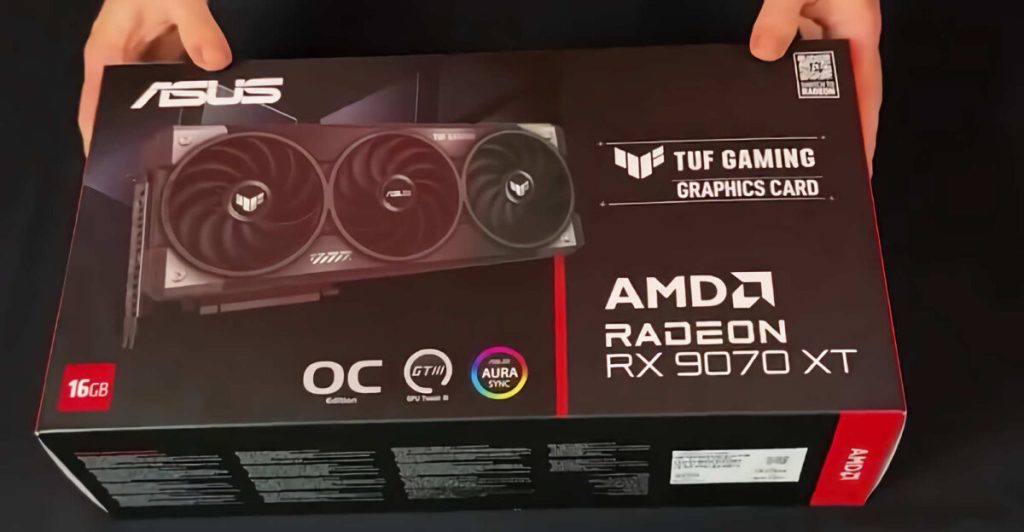
AMD has once again shaken up the graphics card market with the launch of the Radeon RX 9000 series, built on the next-generation RDNA 4 architecture. With a strong focus on ray tracing performance, AI-driven upscaling, and power efficiency, the RX 9000 series directly competes with NVIDIA’s RTX 5000 series.

The Radeon RX 9070 and RX 9070 XT, officially announced on February 28, 2025, and released on March 6, 2025, are designed to deliver high-end gaming performance at competitive price points. But how do they stack up against their rivals? Let’s dive in.


RDNA 4 Architecture: Power, Efficiency, and AI Innovation

AMD’s RDNA 4 brings notable improvements, particularly in ray tracing and artificial intelligence (AI) performance. The most groundbreaking addition is FidelityFX Super Resolution 4 (FSR 4), AMD’s first machine-learning upscaling technology that enhances frame rates and image quality. Unlike previous versions of FSR, which were software-based, FSR 4 leverages AMD’s second-generation AI accelerator cores, putting it in direct competition with NVIDIA DLSS 3.5.

Gamers can expect higher frame rates, improved visual clarity, and better upscaling, making FSR 4 a significant selling point for the RX 9000 series.


Radeon RX 9070 and RX 9070 XT: Specifications and Features

Both the RX 9070 and RX 9070 XT come equipped with 16GB of GDDR6 memory on a 256-bit bus, ensuring plenty of VRAM for modern gaming and AI workloads.

Radeon RX 9070 Specs

  • Stream Processors: 3,584
  • Game Clock: 2.07 GHz
  • Boost Clock: Up to 2.52 GHz
  • Total Board Power (TBP): 220W

Radeon RX 9070 XT Specs

  • Stream Processors: 4,096
  • Game Clock: 2.40 GHz
  • Boost Clock: Up to 2.97 GHz
  • Total Board Power (TBP): 304W

These GPUs offer an optimal balance between performance and power efficiency, catering to gamers, streamers, and content creators who demand high-end capabilities at a reasonable cost.


Performance and Market Positioning: How AMD Challenges NVIDIA

With competitive pricing at $549 for the RX 9070 and $599 for the RX 9070 XT, AMD strategically positions these cards against NVIDIA’s latest releases.

RX 9070 vs. RTX 5070

  • Outperforms NVIDIA RTX 5070 by 17% at 4K and nearly 20% at 1440p
  • Offers more VRAM (16GB vs. 12GB) for better longevity
  • Runs cooler and more efficiently, consuming less power

RX 9070 XT vs. RTX 5070 Ti

  • Matches the RTX 5070 Ti’s performance despite being $150 cheaper
  • Delivers RTX 4080-level gaming at nearly half the price
  • Provides 40% better AI performance than the RX 7900 XTX

With these benchmarks, AMD is aggressively undercutting NVIDIA by delivering better value per dollar.


FSR 4: The AI-Powered Upscaling Revolution

One of the biggest highlights of the RX 9000 series is FidelityFX Super Resolution 4 (FSR 4), which significantly enhances frame rates while maintaining crisp image quality.

FSR 4 vs. NVIDIA DLSS

  • Exclusive to RDNA 4 GPUs
  • Uses dedicated AI cores for real-time performance boosts
  • Provides sharper visuals in demanding games like Call of Duty: Black Ops 6

AMD’s improved AI workloads allow the RX 9070 XT to outperform the RX 7900 XTX by over 40% in AI applications, proving its capability beyond gaming.


Critical Reception: A Win for AMD?

Early reviews of the Radeon RX 9000 series are overwhelmingly positive. TechRadar states that the RX 9070 XT delivers “RTX 4080-levels of gaming performance at half that card’s launch MSRP.”

Critics praise:
Best-in-class VRAM at this price range
Impressive power efficiency vs. NVIDIA’s power-hungry RTX 5000 series
Competitive ray tracing improvements

With these advantages, AMD is poised to shift the midrange GPU market in its favor.


Conclusion: Should You Upgrade?

If you’re looking for a powerful, future-proof GPU that delivers high-end performance without breaking the bank, the Radeon RX 9000 series is a compelling choice.

Gamers seeking better ray tracing, AI-driven upscaling, and cooler operation will find great value in the RX 9070 and RX 9070 XT, especially compared to NVIDIA’s more expensive alternatives.

💡 Thinking About Selling Your Old GPU?

Whether you’re upgrading to RDNA 4 or switching from NVIDIA, SellGPU makes it Fast, Trusted, and Secure to sell your old graphics card for the best value.

Instant Quotes
Hassle-Free Process
Fast Payments

Sell your GPU today at SellGPU.com and get the most out of your upgrade!

Gaming Consoles vs. PC Gaming: Where Should You Invest?

In today’s rapidly evolving gaming landscape, the debate over investing in a next-gen console versus building a high-performance gaming PC remains as heated as ever. Today we aim to explore the evolution of gaming consoles, the customizable power of PC gaming, and what these trends mean for tech businesses and dedicated gamers alike.

The Evolution of Gaming Consoles

Over the past few decades, gaming consoles have undergone dramatic transformations. Early consoles laid the foundation for home entertainment, while modern iterations have pushed the boundaries of immersive gameplay with cutting-edge graphics, integrated streaming services, and cloud connectivity. Over the decades we have seen just how consoles have evolved from simple, cartridge-based machines to sophisticated multimedia hubs that balance power and ease of use. These devices now incorporate technologies that rival mid-range gaming PCs, offering gamers a plug-and-play experience without the complexities of hardware customization.

PC Gaming: Customization, Performance, and Investment

PC gaming has always been the go-to choice for enthusiasts who crave high performance and customization. Unlike consoles, gaming PCs allow users to upgrade individual components to overcome bottlenecks and keep pace with the latest software demands. One thing to keep in mind is that while building or upgrading a gaming PC can be a significant investment, it offers unparalleled flexibility and performance tuning—ideal for those who prioritize cutting-edge graphics, ultra-high frame rates, and tailored setups. Additionally, PC gamers enjoy a broader ecosystem of mods, indie titles, and professional-grade peripherals that elevate the gaming experience.

Next-Gen Consoles vs. High-Performance PCs: A Comparative Overview

Performance and Graphics

  • Next-Gen Consoles:
    These consoles are designed to deliver a balanced, streamlined experience. With fixed hardware configurations, developers optimize games to run smoothly without the worry of compatibility issues. This results in an accessible gaming experience with consistent performance, even if it means sacrificing some degree of customization.
  • Gaming PCs:
    PCs offer a spectrum of performance options—from budget-friendly builds to ultra-high-end rigs capable of handling 4K gaming and virtual reality. The freedom to select top-tier graphics cards, processors, and cooling systems means that PC gamers can push the boundaries of what’s possible, albeit with a steeper learning curve and higher upfront costs.

Investment and Future-Proofing

  • Console Investment:
    Consoles represent a one-time investment with a stable lifecycle, making them attractive for those seeking reliability and ease-of-use. They are particularly appealing to casual gamers and families who prefer a no-fuss setup.
  • PC Investment:
    Building a gaming PC is a more dynamic investment. While the initial costs can be higher, the ability to upgrade individual components over time ensures that your system remains current with technological advancements. This modular approach is ideal for tech-savvy gamers and businesses looking to maintain peak performance without replacing the entire system.

Cost Considerations and Market Trends

The choice between a gaming console and a PC ultimately comes down to personal preference, lifestyle, and investment strategy. Next-gen consoles provide an all-in-one solution with optimized performance, while PCs cater to enthusiasts who enjoy tinkering with hardware and seeking peak performance. In the fast-paced tech market, both options continue to innovate, pushing the envelope of what’s possible in gaming technology.

Moreover, tech businesses are increasingly leveraging these trends to meet the rising demand for high-performance, scalable gaming solutions. From competitive gaming tournaments to immersive virtual reality experiences, the future of gaming is being shaped by both consoles and PCs, each carving out its niche in the digital ecosystem.

Conclusion: What’s Your Next Move?

As the gaming industry continues to evolve, so too does the debate on whether to invest in a console or a PC. Each platform has its merits—consoles offer simplicity and a curated experience, while PCs provide flexibility and unmatched performance potential. Your choice depends on your gaming style, budget, and long-term investment strategy.Ready to upgrade or pivot your gaming setup? Whether you’re looking to sell your console or your high-performance gaming PC, SellGPU is here to help. Our platform is designed for tech enthusiasts and savvy investors looking to maximize the value of their gear. With our Fast, Trusted, Secure service, you can easily connect with buyers and get the best deal in today’s competitive market. Visit SellGPU now and transform your gaming investment into new opportunities!

Reflecting on the Ethereum Merge of 2022

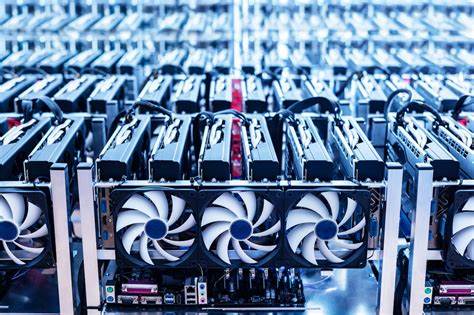
The Ethereum Merge in September 2022 marked a significant shift in the cryptocurrency landscape, transitioning Ethereum from a proof-of-work (PoW) to a proof-of-stake (PoS) consensus mechanism. This change rendered traditional GPU mining for Ethereum obsolete, leaving many miners with substantial hardware investments and uncertain futures. In the aftermath, miners have explored various avenues to repurpose or liquidate their equipment.

Assessing Post-Merge GPU Mining Profitability

Immediately following the Merge, the profitability of GPU mining experienced a sharp decline. Alternative PoW coins saw a temporary influx of miners, leading to increased difficulty and reduced rewards. Many miners observed that the revenue generated did not cover operational costs, prompting a reevaluation of mining strategies. The swift adjustment in hash rates across various coins underscored the challenges of maintaining profitable GPU mining operations in the new landscape.

Exploring Alternative Uses for Mining Hardware

With traditional mining avenues less lucrative, miners have considered several options for their existing hardware:

  1. Transition to High-Performance Computing (HPC) and AI Applications:
    • The computational power of GPUs makes them well-suited for tasks beyond cryptocurrency mining, such as artificial intelligence (AI) model training and other HPC tasks. Some large-scale mining operations have begun repurposing their infrastructure to offer HPC services, capitalizing on the growing demand in sectors like AI and machine learning. This pivot requires significant investment in new hardware and expertise but offers a viable path forward for those equipped to make the transition.
  2. Selling Hardware to Recoup Investments:
    • For miners unable or unwilling to transition to HPC services, selling their GPUs presents a practical solution. Given the high demand for GPUs in gaming, content creation, and AI research, miners can liquidate their assets to recover a portion of their initial investment. Engaging with reputable bulk buyers or specialized resellers can streamline this process, ensuring fair market valuations and efficient transactions.
  3. Participating in Distributed Computing Projects:
    • Miners interested in contributing to scientific research can allocate their GPU resources to distributed computing projects like Folding@Home or BOINC. These platforms utilize donated computational power to advance studies in fields such as molecular biology and astrophysics. While not financially rewarding, participation offers a sense of community and purpose.

Market Dynamics and Future Considerations

The post-Merge environment has led to an oversupply of used GPUs in the market, influencing both pricing and demand. As more miners opt to sell their hardware, the increased supply can drive prices down, affecting the resale value. Conversely, the growing interest in AI and HPC applications may absorb some of this surplus, potentially stabilizing the market.

Miners must stay informed about industry trends and assess the viability of alternative applications for their hardware. Collaborating with industry experts and exploring emerging technologies can provide new opportunities in the evolving computational landscape.

Conclusion

The Ethereum Merge has undeniably transformed the GPU mining sector, compelling miners to adapt to a rapidly changing environment. Whether transitioning to HPC services, liquidating assets, or contributing to scientific research, miners have several pathways to navigate the post-Merge reality. Proactive decision-making and flexibility are essential for capitalizing on new opportunities and mitigating potential losses in this dynamic landscape.

Ready to make the switch? If you’re planning to decommission your mining rigs amid the shifting crypto landscape, it’s time to turn your bulk PC components into real cash. With the Ethereum Merge and the subsequent decline in traditional GPU mining profitability, many miners are finding that increased mining difficulty, operational costs, and an oversupplied market are making it harder to sustain profitable crypto mining. Whether you’ve been battling rising energy costs or exploring alternative revenue streams, your mining hardware still holds significant value.

At SellGPU we specialize in buying bulk PC components from miners like you. Our streamlined process is designed with one promise in mind: Fast, Trusted, Secure. By partnering with us, you can quickly recoup a substantial portion of your initial investment, freeing up capital for new opportunities—whether you’re planning to dive into emerging AI and HPC applications or simply reinvest in your next venture.

Don’t let obsolete hardware depreciate in value. Take action now, secure competitive offers, and join the growing community of savvy miners who have pivoted to smarter asset management. Your mining journey may be evolving, but with sellgpu, your transition is built on speed, trust, and security.

Get in touch with us today and harness the full potential of your GPU investments!

The Importance of Recycling and Reselling Old Tech

In today’s fast-paced tech world, upgrading to the latest devices is common, but it’s crucial to manage old electronics responsibly. Improper disposal contributes to environmental harm, as e-waste can release toxic substances into our ecosystem. Recycling and reselling not only mitigate these risks but also conserve valuable materials and reduce the demand for new resource extraction.

The Environmental Impact of E-Waste

1. Preventing Pollution and Toxic Waste Contamination

One of the biggest dangers of electronic waste is the release of hazardous substances into the environment. Many electronic components contain toxic materials such as lead, mercury, cadmium, and brominated flame retardants. If disposed of improperly in landfills, these materials can seep into the soil and water supply, posing serious health risks to humans and wildlife.

By recycling electronic devices, these hazardous materials are properly handled, reducing the potential for soil and water contamination. Professional e-waste recyclers follow stringent regulations to ensure toxic substances are either neutralized or safely repurposed in new technology, preventing environmental damage.

2. Reducing Carbon Footprint

Manufacturing new electronics requires significant amounts of energy and raw materials. Mining metals such as gold, silver, and palladium for use in electronics is a resource-intensive process that results in deforestation, water pollution, and greenhouse gas emissions.

When you recycle or resell your old tech, you extend the life cycle of these materials, reducing the need for new mining operations. Refurbishing and reusing existing components also cuts down on energy consumption in production, ultimately reducing the carbon footprint associated with electronic manufacturing.

3. Minimizing Landfill Waste

Electronic waste is one of the fastest-growing waste streams in the world. According to the Global E-Waste Monitor, millions of tons of e-waste are discarded every year, with only a small percentage being properly recycled. This trend is unsustainable, as landfills continue to overflow with hazardous waste that could be repurposed.

Proper disposal through certified recycling programs ensures that obsolete tech doesn’t end up clogging landfills. Instead, functional components are extracted and reintroduced into the production cycle, minimizing overall waste.

The Importance of Resource Conservation

1. Reducing Energy Demand in Manufacturing

Extracting and processing raw materials for electronics require vast amounts of energy. According to studies, producing a single laptop can generate up to 300 kilograms of carbon emissions due to the extensive processing of raw materials.

By recycling or repurposing electronic components, manufacturers can significantly cut down on energy usage. Using reclaimed metals, plastics, and glass in the production of new devices conserves resources and reduces emissions associated with mining and refining new materials.

2. Preserving Non-Renewable Resources

Many of the materials used in electronics, such as lithium for batteries and tantalum for capacitors, are derived from non-renewable sources. These resources are finite, and excessive mining depletes them at an unsustainable rate.

Recycling ensures that these materials remain in circulation, extending their usability and reducing the strain on natural reserves. This approach benefits both the economy and the environment by promoting sustainable resource management.

The Economic Value of Reselling Old Tech

1. Generating Financial Returns

Rather than letting outdated technology gather dust, reselling old electronics can be a lucrative option. Many devices, particularly high-end GPUs, CPUs, and other components, retain substantial market value.

Selling these items to reputable resellers like SellGPU.com allows individuals and businesses to recover some of their initial investment. Whether upgrading to the latest hardware or liquidating surplus IT assets, reselling offers a financial incentive while promoting sustainability.

2. Making Technology More Accessible

The resale market for refurbished electronics plays a crucial role in making technology more affordable. Many individuals, businesses, and educational institutions rely on refurbished devices as cost-effective alternatives to new equipment.

By reselling functional devices, you contribute to the availability of affordable tech, helping bridge the digital divide and support communities with limited access to new electronics. This approach ensures that working technology is utilized to its full potential rather than being prematurely discarded.

3. Supporting Green Business Practices

Sustainable business practices are becoming increasingly important in today’s corporate landscape. Many companies now prioritize environmentally responsible IT asset management as part of their corporate social responsibility (CSR) initiatives.

By reselling used tech through platforms like SellGPU.com, businesses can demonstrate their commitment to sustainability while optimizing asset recovery. This not only enhances a company’s environmental reputation but also provides financial benefits by recovering value from retired IT equipment.

Ready to Make a Positive Impact? Choose SellGPU.com!

When it’s time to part with your used computer components, trust SellGPU.com—the fast, trusted, secure solution for reselling your tech.

Fast Processing: Quick evaluations and prompt payments ensure you get value for your items without unnecessary delays.
Trusted Service: Transparent transactions with a reputable partner give you confidence in the resale process.
Secure Handling: Your data and hardware are managed with the highest security standards, protecting your information.

Visit SellGPU.com today to turn your old tech into value while contributing to a sustainable future!

Maximize IT Asset Value: Secure, Sustainable & Profitable ITAD Solutions

Effective Information Technology Asset Disposition (ITAD) is essential for organizations to manage the end-of-life process for IT equipment securely, sustainably, and in compliance with regulatory standards. Implementing a comprehensive ITAD strategy not only safeguards sensitive data but also maximizes asset value and minimizes environmental impact.

Key Components of an Effective ITAD Strategy:

  1. Comprehensive Asset Inventory:
    • Maintain detailed records of all IT assets, including specifications, locations, and ownership. Regular audits ensure accurate tracking and inform disposition decisions.
  2. Data Security and Destruction:
    • Prioritize secure data erasure to prevent unauthorized access. Utilize certified data destruction methods, such as those conforming to NIST 800-88 Rev1 standards, to ensure complete data sanitization.
  3. Regulatory Compliance:
    • Adhere to relevant regulations governing data protection and environmental responsibility, including GDPR, HIPAA, and RCRA. Compliance mitigates legal risks and upholds organizational integrity.
  4. Environmental Responsibility:
    • Implement eco-friendly recycling practices to minimize e-waste. Partner with certified recyclers to ensure responsible disposal and support sustainability initiatives.
  5. Value Recovery:
    • Assess assets for potential refurbishment and resale to recoup value. This approach reduces waste and contributes to cost savings.
  6. Certified ITAD Partnerships:
    • Collaborate with certified ITAD providers that adhere to industry standards, such as R2 or e-Stewards, ensuring secure and environmentally responsible asset disposition.
  7. Employee Training and Awareness:
    • Educate staff on ITAD policies and procedures to ensure consistent adherence and mitigate risks associated with improper asset handling.

By integrating these components into an ITAD strategy, organizations can effectively manage the lifecycle of their IT assets, ensuring data security, regulatory compliance, environmental stewardship, and value recovery.

Ready to Maximize Your IT Asset Value? Sell with Confidence!

When it’s time to retire your IT equipment, choose SellGPU—the fast, trusted, and secure way to get the best value for your used computer components. Whether you’re a business managing bulk ITAD or an individual looking to sell a single high-end GPU, we make the process seamless and hassle-free.

Fast Processing & Payments – Get your payout quickly with our streamlined system.
Trusted by Thousands – We provide transparent evaluations and honor our quotes.
Secure Data Handling – We ensure your components are handled with the highest security standards.Turn your retired IT assets into cash today! Visit SellGPU.com for hassle-free resale or contact sales@sellgpu.com or 1-888-312-3003. 🚀

Maximizing Your Payout for Trading In Used Computer Components

Selling your used computer components can be a fantastic way to recoup some cash while keeping electronics out of landfills. To get the best payout, follow these steps when trading in your items with SellGPU.com.

1. Use SellGPU.com to Complete Your Order

SellGPU.com simplifies the process of trading in your used computer components. Start by visiting our website and inputting the details of the items you wish to sell. The system will generate an initial quote based on your input.

2. Verify Model and Count

Accuracy is key when submitting your order. Double-check the model numbers, specifications, and quantities of the items you are selling. Providing accurate information ensures you receive the correct quote and expedites processing. 

3. Send Items in Original Boxes if Available

If you still have the original boxes for your GPUs or gaming consoles, use them for shipping. Original packaging provides added protection during transit and enhances the presentation of your items, which can influence their evaluation. SellGPU will even pay a $10 bonus for original packaging of GPUs and Gaming Consoles.

4. Pack Your Order with Care

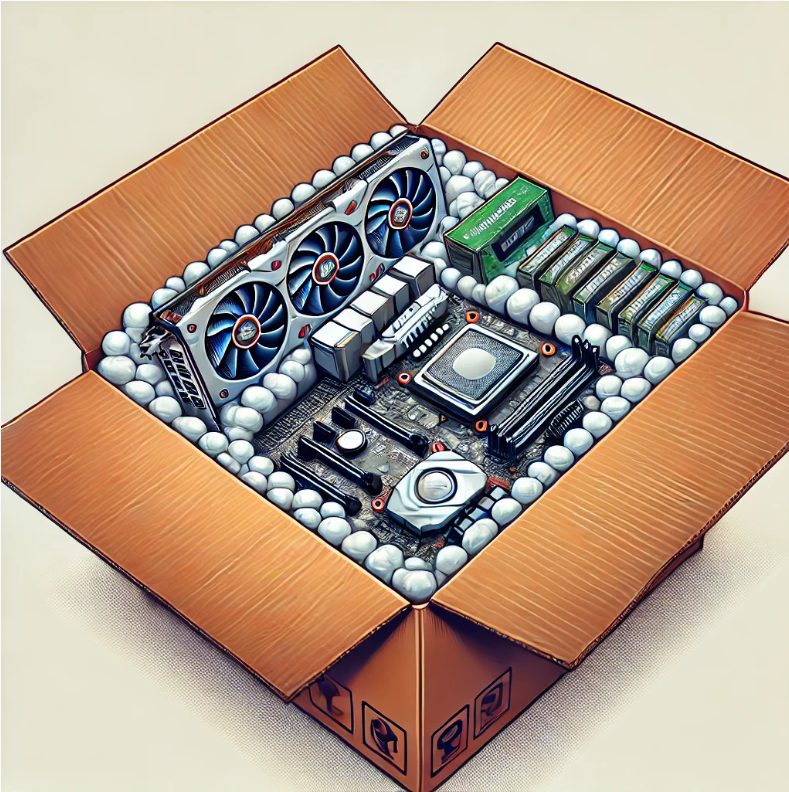
Proper packing prevents damage and ensures your items arrive safely. Use plenty of padding, such as bubble wrap or foam inserts, to protect your components during shipping.

  • Request Packaging Materials: SellGPU.com offers free boxes and free packaging materials upon request. These materials are specifically designed to ensure the safe delivery of your components and are chosen to best fit your order.

5. Send Your Order Promptly

Timing matters when selling used components. Send your order within two weeks of receiving your quote to lock in the quoted price. After this period, prices may be adjusted based on market conditions or product evaluations.

6. Understand Price Adjustments

Prices for used computer components fluctuate with the market. SellGPU.com adjusts their rates regularly to reflect current demand and availability. Rest assured, your quote is honored for up to two weeks after it is issued.

7. Take Advantage of Bulk Pricing

If you have a significant quantity of items to trade in, like lots, consider bulk pricing. Bulk pricing is an excellent opportunity for businesses or tech recyclers (ITAD) with large inventories to maximize your revenue. If this sounds like you reach out to sales@sellgpu.com for personalized pricing.

Final Thoughts

Trading in your used computer components doesn’t have to be complicated. By following these tips and working with SellGPU.com, you can ensure a smooth process and maximize your payout. From accurate listings to careful packing and timely shipping, each step helps you get the most value for your items. So come check out the site that is fast, trusted, and secure!

Nvidia 5000 Series GPUs: The Next Generation of Gaming and Performance

The gaming and graphics world is abuzz with Nvidia’s latest innovation—the 5000 series GPUs. Building on the groundbreaking advancements of the 4000 series, the 5000 series is set to redefine performance benchmarks for gamers, creators, and professionals alike. Let’s  explore the key performance specifications, compare the 5000 series to its predecessors (the 4000 and 3000 series), and help you determine if it’s time to upgrade.

Performance Specifications: A Leap Forward

The Nvidia 5000 series GPUs are powered by the Blackwell architecture, delivering unprecedented performance and efficiency. Some highlights of the 5000 series include:

  • Core Count and Clock Speeds:
    • Up to 25% more CUDA cores compared to the 4000 series.
    • Boost clock speeds reaching up to 2.9 GHz, enhancing real-time rendering and AI performance.
  • Memory and Bandwidth:
    • Equipped with GDDR7 memory, offering a 40% increase in bandwidth over the 4000 series’ GDDR6X.
    • Memory capacities range from 12GB to 24GB on flagship models, catering to demanding workloads and next-gen gaming.
  • Ray Tracing and AI Enhancements:
    • Third-generation RT cores improve ray-tracing performance by up to 30%.
    • Fourth-generation Tensor cores accelerate AI-driven features, such as DLSS 4.0, which delivers smoother gameplay and improved upscaling quality.

Note: These metrics above apply when running DLSS 4.

Comparison: Nvidia 5000 vs. 4000 vs. 3000 Series

Performance Gains

The 5000 series offers a significant performance boost over the 4000 and 3000 series. For instance, the RTX 5090, Nvidia’s flagship GPU, boasts:

  • A 30% increase in FPS in 4K gaming compared to the RTX 4090.
  • Nearly double the performance of the RTX 3090 in AI-intensive tasks and rendering workloads.
  • Improved latency, making it ideal for competitive gamers who demand split-second responsiveness.

Feature Enhancements

While the 4000 series introduced DLSS 3.0 and improved ray tracing, the 5000 series takes these technologies to the next level:

  • DLSS 4.0: A game-changer for frame generation, delivering lifelike visuals without compromising performance. Compared to DLSS 3.0, the new version reduces input lag and offers better scaling for 1440p and 4K resolutions.
  • Ray Tracing: Games with heavy ray-tracing workloads see a 25-30% improvement in rendering times, ensuring smoother and more realistic visuals.

Pricing and Availability

Early reports suggest that Nvidia is maintaining competitive pricing for the 5000 series, positioning it similarly to the 4000 series at launch. Although this makes it a premium investment, the added longevity and performance gains justify the cost for enthusiasts and professionals.

Should You Upgrade?

If You Own a 3000 Series GPU

For 3000 series users, the jump to the 5000 series is a substantial upgrade. The 5000 series doubles down on performance, offering better ray tracing, enhanced AI features, and increased memory bandwidth. Gamers who want to experience next-gen titles at their full potential or creators who require faster rendering times will see a noticeable difference.

If You Own a 4000 Series GPU

The decision to upgrade from a 4000 series GPU depends on your specific use case. While the 5000 series offers a 20-30% performance boost when using DLSS 4, 4000 series owners might find it harder to justify the leap unless they are early adopters or professionals needing the latest features.

If You’re Using Older or Integrated Graphics

Users still running on older GPUs or integrated graphics will find the 5000 series a transformative upgrade. It’s an investment that future-proofs your system for years to come, enabling you to handle cutting-edge games, demanding creative applications, and AI-driven workflows effortlessly.

Conclusion: A Worthy Upgrade

The Nvidia 5000 series GPUs set a new standard in graphics performance, combining cutting-edge technology with improved efficiency. Whether you’re a gamer chasing higher frame rates, a content creator looking to optimize workflows, or a professional seeking unparalleled compute power, the 5000 series delivers.

For users of the 3000 series or older GPUs, the upgrade is a no-brainer. The leap in performance, coupled with the enhanced features and efficiency, makes it a worthwhile investment. Even for 4000 series owners, the 5000 series presents compelling reasons to upgrade, especially if you’re aiming to stay ahead of the curve.

With your upgrade on the way turn your old hardware into cash through our fast, trusted, and secure platform at SellGPU.com

Why GPUs Should Be Recycled

A gaming computer with a good graphics processing unit (GPU) creates an optimal visual gaming experience. When it’s time to upgrade your gaming PC or console, you can choose to recycle the technology components or complete a console trade in. Here is more information about how GPUs work and why it’s beneficial to recycle them:

What Are GPUs?

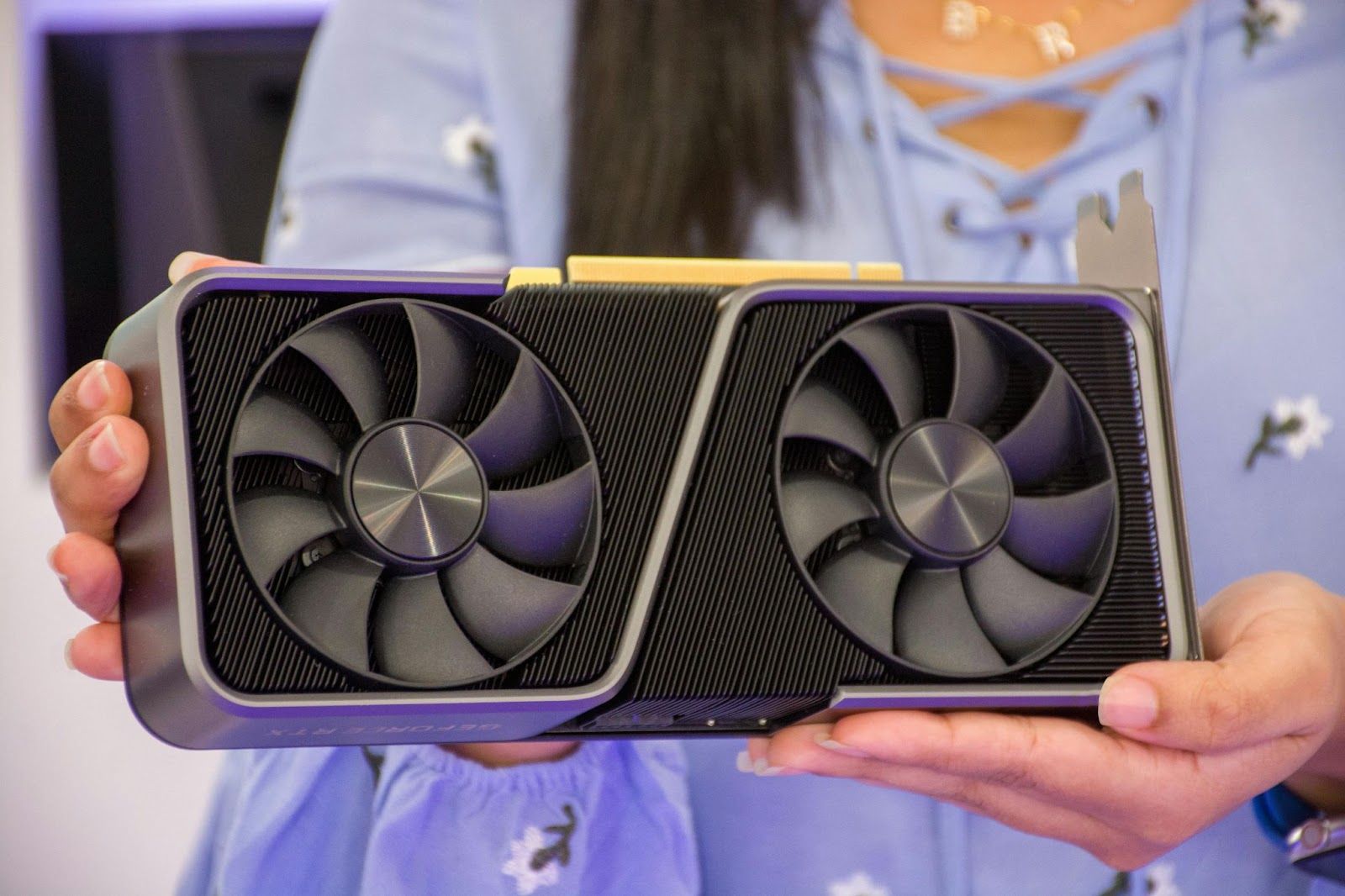
GPUs help make the visuals of video content more realistic and enjoyable. They provide both 2D and 3D graphics for video games, adding depth to characters and landscapes. Most gaming and workstation computers come with GPUs installed. Individuals who build their own computers must purchase the GPU or game cards separately to get their desired graphics quality. While initially created for gaming, GPUs are now used in many industries that rely on technology. These components generate computer graphics within various systems that help accelerate companies’ workloads.

When to Recycle or Trade In

If your GPU has passed its warranty date, returning or repairing it could result in costs that are greater than the part’s worth. You can recycle your outdated GPU by sending it in for recycling. This can help you regain some of the cash you’ll need to buy a newer model. Recycling is also a good option if you have an older gaming PC with many outdated components or damaged pieces. Aging components can leak harmful chemicals that shouldn’t be placed in landfills. Sending old, unusable computers to a company specializing in buying and recycling individual parts makes it easier to dispose of your gaming setup. 

Gaming PCs are constantly being upgraded to give users access to newer, more advanced models. If your gaming experience is beginning to lag, it’s time to explore available console trade in programs. You can sell your computer as a whole unit, including the GPU. You can also update individual parts of your PC by selling components like the GPU. If you have gaming or workstation computers you no longer use, it may be time for a trade in. An older PC with a high resale value can be sold as a whole or in individual parts for high prices. These trade in options give you immediate access to funds that you can use to purchase newer models or parts.

Benefits of Recycling GPUs

Recycling GPUs keeps hazardous electronic waste out of landfills. The metals in these components can be reclaimed and turned into new computer parts. This helps manufacturers save time and money on procuring raw materials for production, lowering consumer prices and protecting the environment. At SellGPU, we buy and recycle used GPUs and other computer hardware, enabling you to purchase newer, updated models.

Explore Computer and Console Trade In Programs

If your gaming PC is outdated or has glitches when playing, you can sell the entire system or the GPU. Give SellGPU the chipset details of your GPU and the specifications of your PC’s hard drive, memory, and central processing unit to get a quote for your trade in. We’ll give you packing and mailing instructions for your PC or GPU to confirm that it arrives at our facility safely. Once we receive and test your products, we will send your payment within three days. Contact us today to learn more about trading in and recycling your GPU and other computer hardware.