

The Importance of Recycling and Reselling Old Tech
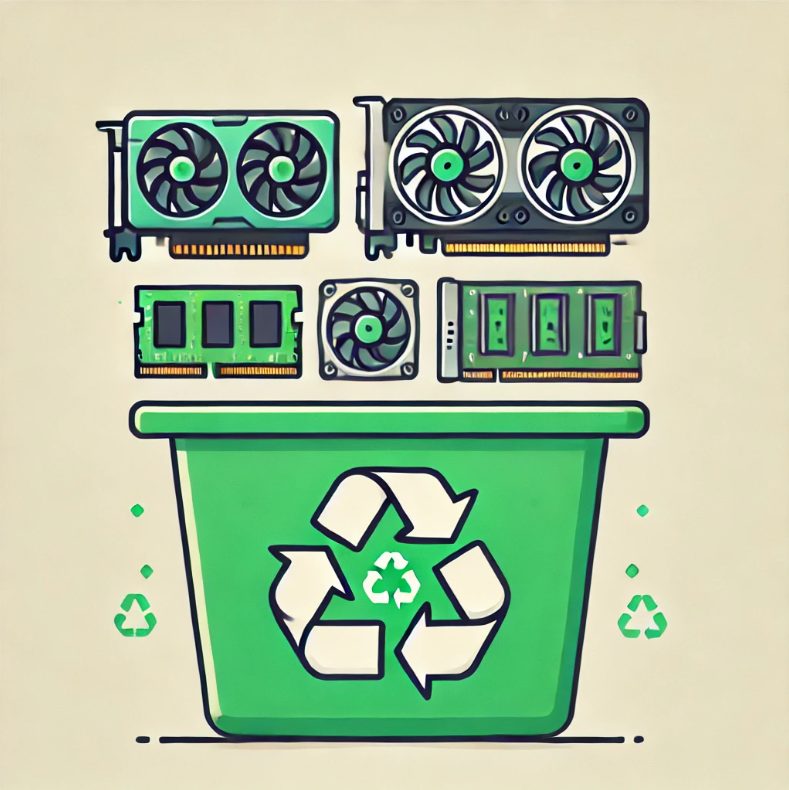
In today’s fast-paced tech world, upgrading to the latest devices is common, but it’s crucial to manage old electronics responsibly. Improper disposal contributes to environmental harm, as e-waste can release toxic substances into our ecosystem. Recycling and reselling not only mitigate these risks but also conserve valuable materials and reduce the demand for new resource extraction.
The Environmental Impact of E-Waste
1. Preventing Pollution and Toxic Waste Contamination
One of the biggest dangers of electronic waste is the release of hazardous substances into the environment. Many electronic components contain toxic materials such as lead, mercury, cadmium, and brominated flame retardants. If disposed of improperly in landfills, these materials can seep into the soil and water supply, posing serious health risks to humans and wildlife.
By recycling electronic devices, these hazardous materials are properly handled, reducing the potential for soil and water contamination. Professional e-waste recyclers follow stringent regulations to ensure toxic substances are either neutralized or safely repurposed in new technology, preventing environmental damage.
2. Reducing Carbon Footprint
Manufacturing new electronics requires significant amounts of energy and raw materials. Mining metals such as gold, silver, and palladium for use in electronics is a resource-intensive process that results in deforestation, water pollution, and greenhouse gas emissions.
When you recycle or resell your old tech, you extend the life cycle of these materials, reducing the need for new mining operations. Refurbishing and reusing existing components also cuts down on energy consumption in production, ultimately reducing the carbon footprint associated with electronic manufacturing.
3. Minimizing Landfill Waste
Electronic waste is one of the fastest-growing waste streams in the world. According to the Global E-Waste Monitor, millions of tons of e-waste are discarded every year, with only a small percentage being properly recycled. This trend is unsustainable, as landfills continue to overflow with hazardous waste that could be repurposed.
Proper disposal through certified recycling programs ensures that obsolete tech doesn’t end up clogging landfills. Instead, functional components are extracted and reintroduced into the production cycle, minimizing overall waste.
The Importance of Resource Conservation
1. Reducing Energy Demand in Manufacturing
Extracting and processing raw materials for electronics require vast amounts of energy. According to studies, producing a single laptop can generate up to 300 kilograms of carbon emissions due to the extensive processing of raw materials.
By recycling or repurposing electronic components, manufacturers can significantly cut down on energy usage. Using reclaimed metals, plastics, and glass in the production of new devices conserves resources and reduces emissions associated with mining and refining new materials.
2. Preserving Non-Renewable Resources
Many of the materials used in electronics, such as lithium for batteries and tantalum for capacitors, are derived from non-renewable sources. These resources are finite, and excessive mining depletes them at an unsustainable rate.
Recycling ensures that these materials remain in circulation, extending their usability and reducing the strain on natural reserves. This approach benefits both the economy and the environment by promoting sustainable resource management.
The Economic Value of Reselling Old Tech
1. Generating Financial Returns
Rather than letting outdated technology gather dust, reselling old electronics can be a lucrative option. Many devices, particularly high-end GPUs, CPUs, and other components, retain substantial market value.
Selling these items to reputable resellers like SellGPU.com allows individuals and businesses to recover some of their initial investment. Whether upgrading to the latest hardware or liquidating surplus IT assets, reselling offers a financial incentive while promoting sustainability.
2. Making Technology More Accessible
The resale market for refurbished electronics plays a crucial role in making technology more affordable. Many individuals, businesses, and educational institutions rely on refurbished devices as cost-effective alternatives to new equipment.
By reselling functional devices, you contribute to the availability of affordable tech, helping bridge the digital divide and support communities with limited access to new electronics. This approach ensures that working technology is utilized to its full potential rather than being prematurely discarded.
3. Supporting Green Business Practices
Sustainable business practices are becoming increasingly important in today’s corporate landscape. Many companies now prioritize environmentally responsible IT asset management as part of their corporate social responsibility (CSR) initiatives.
By reselling used tech through platforms like SellGPU.com, businesses can demonstrate their commitment to sustainability while optimizing asset recovery. This not only enhances a company’s environmental reputation but also provides financial benefits by recovering value from retired IT equipment.
Ready to Make a Positive Impact? Choose SellGPU.com!
When it’s time to part with your used computer components, trust SellGPU.com—the fast, trusted, secure solution for reselling your tech.
✅ Fast Processing: Quick evaluations and prompt payments ensure you get value for your items without unnecessary delays.
✅ Trusted Service: Transparent transactions with a reputable partner give you confidence in the resale process.
✅ Secure Handling: Your data and hardware are managed with the highest security standards, protecting your information.
Visit SellGPU.com today to turn your old tech into value while contributing to a sustainable future!