

Nvidia 5000 Series GPUs: The Next Generation of Gaming and Performance
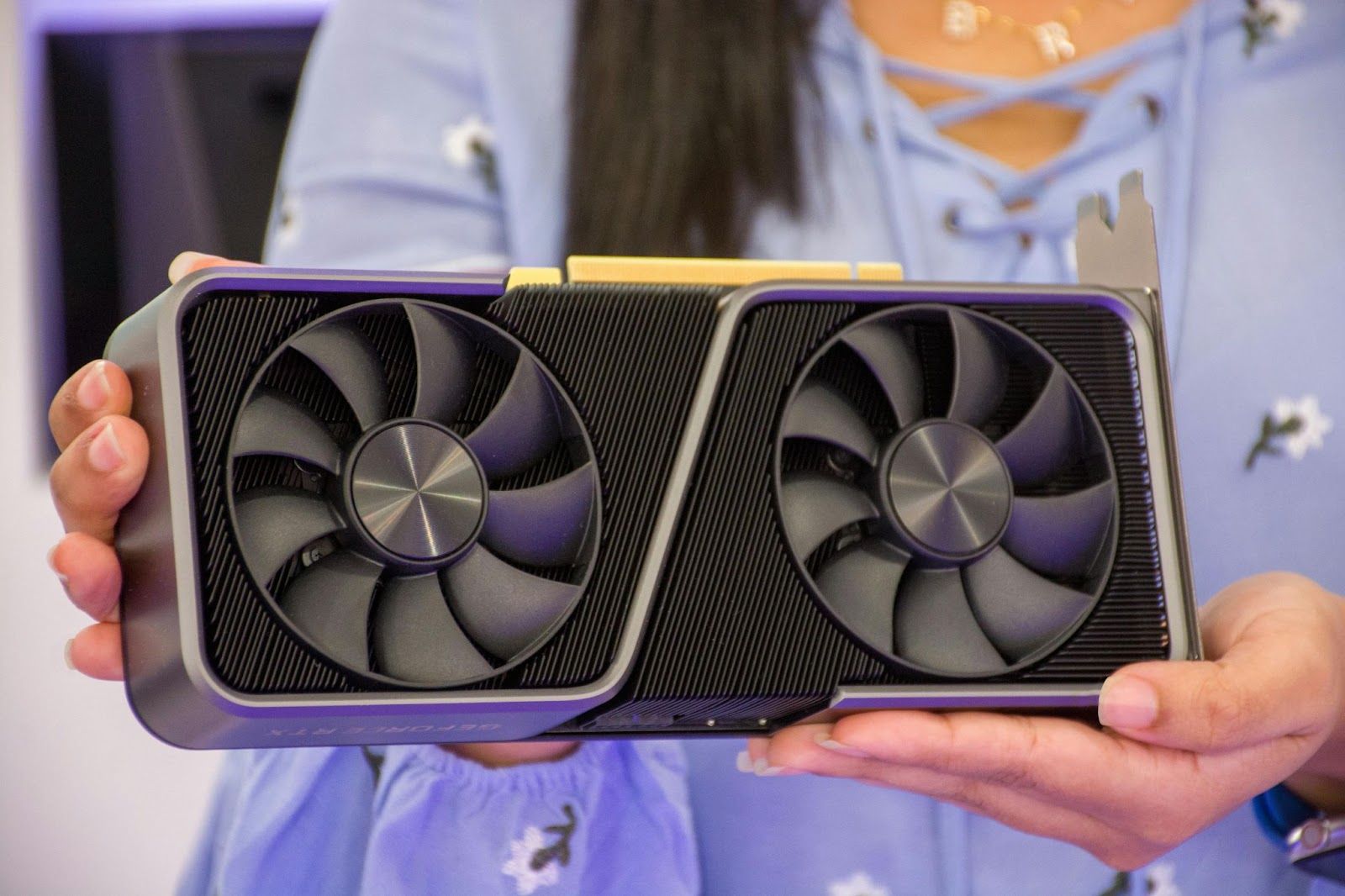
The gaming and graphics world is abuzz with Nvidia’s latest innovation—the 5000 series GPUs. Building on the groundbreaking advancements of the 4000 series, the 5000 series is set to redefine performance benchmarks for gamers, creators, and professionals alike. Let’s explore the key performance specifications, compare the 5000 series to its predecessors (the 4000 and 3000 series), and help you determine if it’s time to upgrade.
Performance Specifications: A Leap Forward
The Nvidia 5000 series GPUs are powered by the Blackwell architecture, delivering unprecedented performance and efficiency. Some highlights of the 5000 series include:
- Core Count and Clock Speeds:
- Up to 25% more CUDA cores compared to the 4000 series.
- Boost clock speeds reaching up to 2.9 GHz, enhancing real-time rendering and AI performance.
- Memory and Bandwidth:
- Equipped with GDDR7 memory, offering a 40% increase in bandwidth over the 4000 series’ GDDR6X.
- Memory capacities range from 12GB to 24GB on flagship models, catering to demanding workloads and next-gen gaming.
- Ray Tracing and AI Enhancements:
- Third-generation RT cores improve ray-tracing performance by up to 30%.
- Fourth-generation Tensor cores accelerate AI-driven features, such as DLSS 4.0, which delivers smoother gameplay and improved upscaling quality.
Note: These metrics above apply when running DLSS 4.
Comparison: Nvidia 5000 vs. 4000 vs. 3000 Series
Performance Gains
The 5000 series offers a significant performance boost over the 4000 and 3000 series. For instance, the RTX 5090, Nvidia’s flagship GPU, boasts:
- A 30% increase in FPS in 4K gaming compared to the RTX 4090.
- Nearly double the performance of the RTX 3090 in AI-intensive tasks and rendering workloads.
- Improved latency, making it ideal for competitive gamers who demand split-second responsiveness.
Feature Enhancements
While the 4000 series introduced DLSS 3.0 and improved ray tracing, the 5000 series takes these technologies to the next level:
- DLSS 4.0: A game-changer for frame generation, delivering lifelike visuals without compromising performance. Compared to DLSS 3.0, the new version reduces input lag and offers better scaling for 1440p and 4K resolutions.
- Ray Tracing: Games with heavy ray-tracing workloads see a 25-30% improvement in rendering times, ensuring smoother and more realistic visuals.
Pricing and Availability
Early reports suggest that Nvidia is maintaining competitive pricing for the 5000 series, positioning it similarly to the 4000 series at launch. Although this makes it a premium investment, the added longevity and performance gains justify the cost for enthusiasts and professionals.
Should You Upgrade?
If You Own a 3000 Series GPU
For 3000 series users, the jump to the 5000 series is a substantial upgrade. The 5000 series doubles down on performance, offering better ray tracing, enhanced AI features, and increased memory bandwidth. Gamers who want to experience next-gen titles at their full potential or creators who require faster rendering times will see a noticeable difference.
If You Own a 4000 Series GPU
The decision to upgrade from a 4000 series GPU depends on your specific use case. While the 5000 series offers a 20-30% performance boost when using DLSS 4, 4000 series owners might find it harder to justify the leap unless they are early adopters or professionals needing the latest features.
If You’re Using Older or Integrated Graphics
Users still running on older GPUs or integrated graphics will find the 5000 series a transformative upgrade. It’s an investment that future-proofs your system for years to come, enabling you to handle cutting-edge games, demanding creative applications, and AI-driven workflows effortlessly.
Conclusion: A Worthy Upgrade
The Nvidia 5000 series GPUs set a new standard in graphics performance, combining cutting-edge technology with improved efficiency. Whether you’re a gamer chasing higher frame rates, a content creator looking to optimize workflows, or a professional seeking unparalleled compute power, the 5000 series delivers.
For users of the 3000 series or older GPUs, the upgrade is a no-brainer. The leap in performance, coupled with the enhanced features and efficiency, makes it a worthwhile investment. Even for 4000 series owners, the 5000 series presents compelling reasons to upgrade, especially if you’re aiming to stay ahead of the curve.
With your upgrade on the way turn your old hardware into cash through our fast, trusted, and secure platform at SellGPU.com